
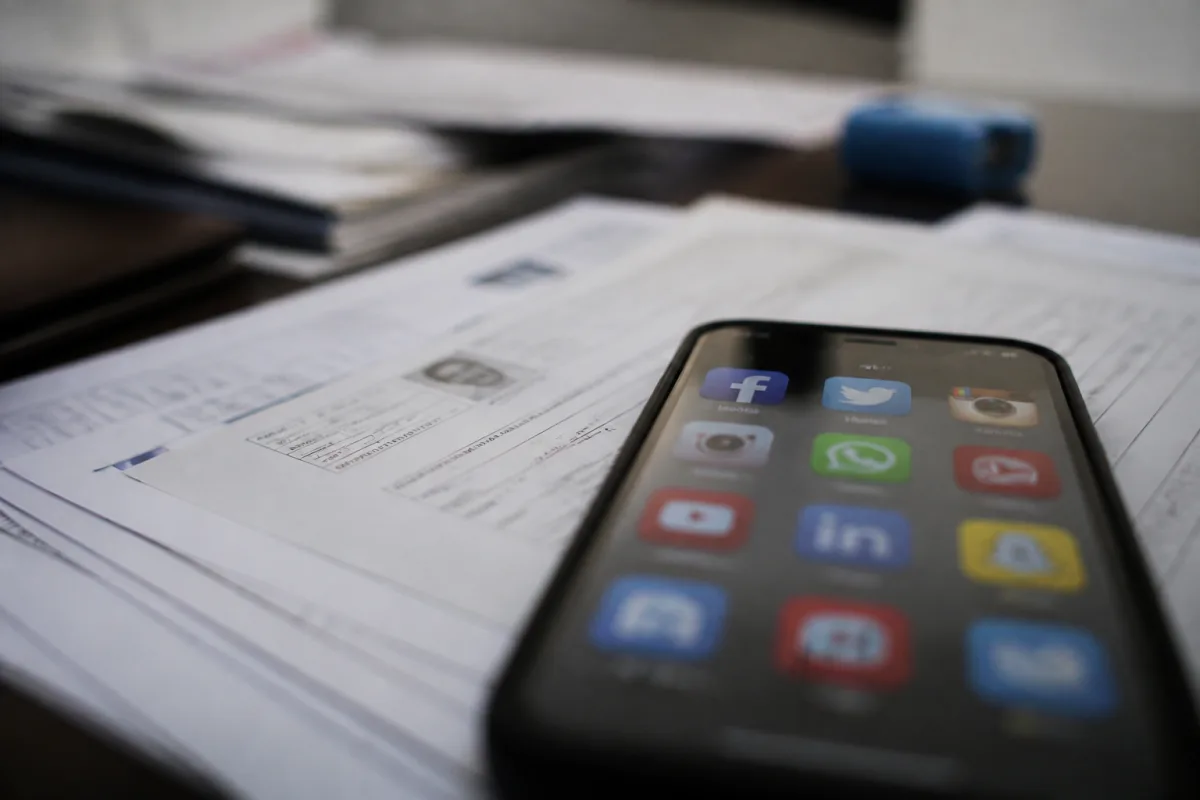

When adjudicating E-2, L-1, and EB-1C visas, officers compare the petition against the applicant’s Instagram, Facebook, and YouTube profiles, looking for gaps between the claimed business activity and what actually shows up online.
In short
- Social media is screened not for political views but for whether career history matches the E-2, L-1, or EB-1C petition.
- A mismatch in dates, job titles, or cities between the petition and LinkedIn/Instagram can lead to a visa denial.
- Intentionally concealing material facts is penalized with a permanent entry bar to the US — the same as outright false statements.
- The requirement to make profiles fully public does not apply to E-2, L-1, and O-1, unlike student and trainee visas.
- Before filing a petition, applicants should personally check all their social media against the paperwork, not delegate this to an attorney.
Why social media became part of E-2, L-1, and EB-1C business visa review
Disclosure requirements covering social media accounts, posts, and messages apply to E-2, L-1, and EB-1C business visas. The State Department has been tightening these requirements, and undisclosed or contradictory information can lead to a visa denial.
An applicant’s personal opinions on general topics are not, by themselves, of interest to the US government. Profiles and pages are reviewed for a different purpose: to find information that contradicts what’s stated in the current visa petition — in other words, to check whether the applicant’s social media history lines up with what’s written in the paperwork.
Officers aren’t interested in an applicant’s personal views — social media is cross-checked against the petition to find contradictions in the claimed facts.
When and how social media disclosure requirements tightened
Since 2019, Form DS-160 has, according to available information, required applicants to list social media platforms used over prior years — including accounts that are no longer active or have been deleted. This requirement applies across nonimmigrant visa categories, including E-2, L-1, and O-1.
During 2025–2026, the administration introduced additional social media screening requirements. These measures primarily targeted student visas and were aimed at flagging hostile or anti-American posts — a move that drew wide criticism over restricting foreign applicants’ free speech. For business visas, the practical takeaway isn’t this political dimension but how officers cross-check social media content against petition information.
What officers actually look for: mismatches between the petition and social media
For business visas, officers aren’t hunting for anti-American statements — they’re looking for discrepancies between petition data and what the applicant posts online. They check whether the career history listed on the application matches profiles like LinkedIn, Instagram, or Facebook.
A typical example: an L-1 or EB-1C petition lists specific years of employment, a city, and a job title, while LinkedIn describes the same career differently — a different employer, a different city, a different role. An officer treats that kind of discrepancy as a material contradiction, one that triggers closer scrutiny of the petition and can lead to denial.
An officer treats that kind of discrepancy as a material contradiction, one that triggers closer scrutiny of the petition and can lead to denial.
A second group of mismatches involves not past history but current activity:
- the paperwork states the business hasn’t launched yet (“operations will begin after the visa is issued”), while Instagram or YouTube already shows posts about a company that’s up and running;
- the business plan lists zero employees, while Instagram shows the company actively advertising sales and services — which gives the officer grounds to ask who is actually running that activity;
- the applicant was physically present in the US at the time — something that gets checked against entry and exit dates immigration authorities already have on file.
The last scenario is considered the most dangerous: if a period of active business promotion on social media overlaps with the applicant’s physical presence in the US while no employees are declared, an officer has little trouble connecting the dots.
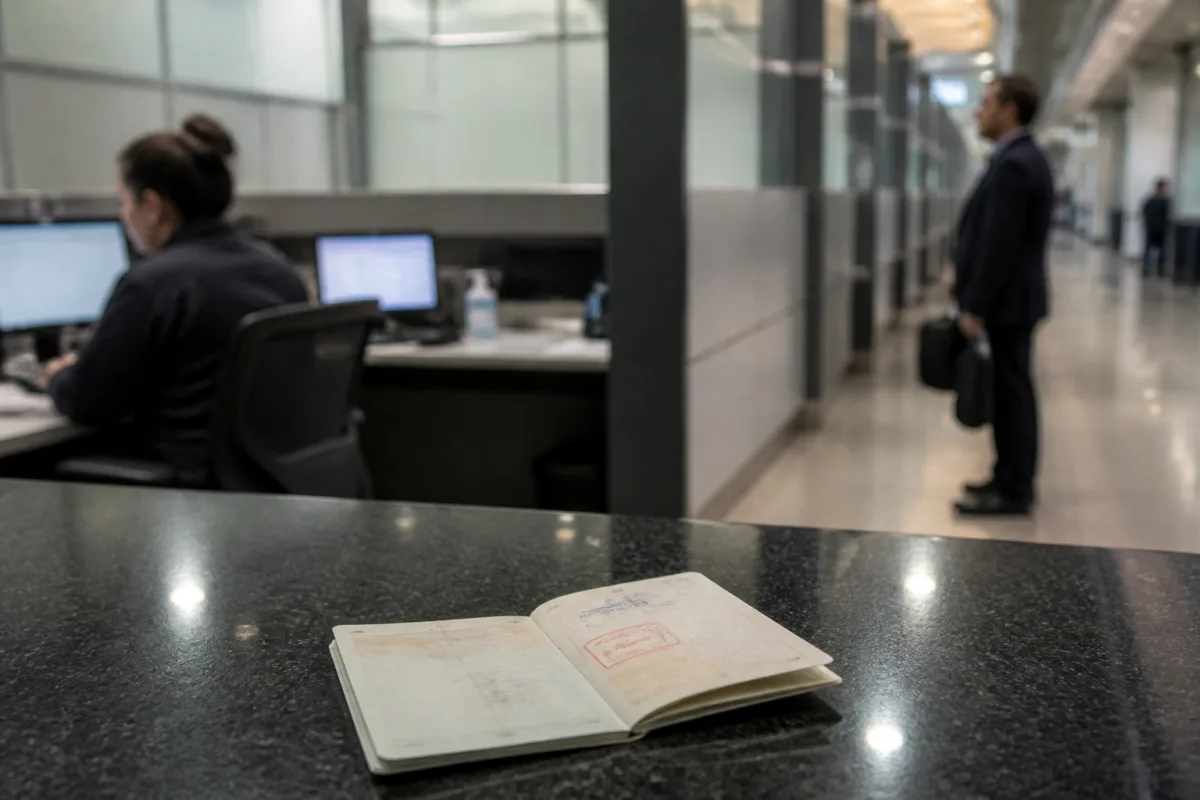
If business promotion on social media ran during a period when the applicant was physically in the US with no declared employees, that gets checked against entry-exit dates and is easy for an officer to spot.
The consequences of false statements on the application: from denial to a permanent bar
Inaccurate information on an E-2 application risks more than a denial of that particular visa — it risks a permanent bar from entering the US. If an officer determines that an applicant knowingly provided false information, the consequence can be not just a denial of the specific visa but a permanent bar on entry to the US — a decision issued under established procedure and appealable only in limited circumstances.
the consequence can be not just a denial of the specific visa but a permanent bar on entry to the US
A separate category is the deliberate concealment of material information. If an officer concludes that an applicant intentionally withheld material facts (for example, a business history that doesn’t match social media), that is penalized the same way as outright false statements — with a permanent entry bar.
The difference between an ordinary denial and a bar is critical: a visa denial can potentially be overcome by reapplying with corrected documentation, whereas a permanent entry bar sharply cuts off that option for years to come.
A visa denial can potentially be overcome by reapplying. A permanent entry bar sharply cuts off that option for years.
How to avoid problems: hiring help and aligning your story
If commercial activity is already up and running before the visa is issued — inventory is already in stock, everything is ready to operate — it’s worth hiring at least a part-time assistant in the US. That answers the officer’s question of who is running the business, who is taking orders, while the applicant isn’t physically in the country.
There’s no need to hire a full-time employee: bringing on an independent contractor working temporarily on a project basis is an acceptable option. What matters to the officer is documented proof that someone is actually handling the business’s day-to-day operations.
Before filing a petition, applicants should personally review their own social media profiles for consistency with the petition — not delegate this to an attorney or other professional — since only the applicant knows what posts and pages they’ve maintained and what information they put out there.
Before filing a petition, applicants should personally review their own social media profiles for consistency with the petition
It’s critical to align a single, consistent version of the story in advance: where the applicant worked, in what role, doing what — across every document and profile at once. Under current review practices, any discrepancy becomes grounds for denial.
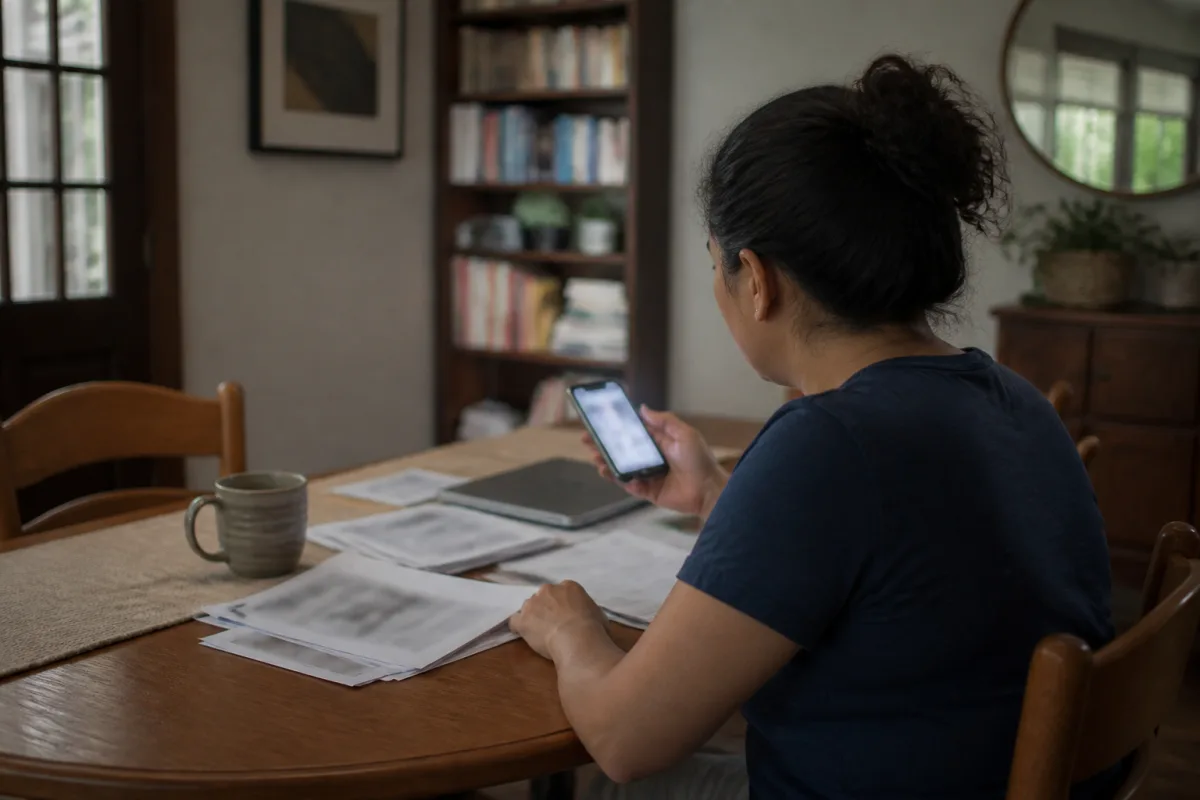
If the business is effectively already running, it’s worth hiring at least a part-time assistant in the US or bringing on an independent contractor — this explains who’s handling operations while the applicant isn’t in the country.
How to reduce the risk of a social-media-related denial before filing
Does the open-profile requirement apply to E-2, L-1, O-1 business visas
The requirement to make social media profiles publicly viewable does not apply to applicants in the E-2, L-1, and O-1 categories. It applies to nearly every other visa category — student visas, trainee work visas, and a number of others — where applicants are required to open their pages to public view.
Separate treatment for business visas means that official concerns about free speech and political views formally don’t extend to this group of applicants.
Frequently asked questions
Can deleting old posts or closing an account before filing a petition help avoid discrepancies?
Instead of deleting data, applicants are advised to personally review all their profiles for consistency with the petition and align a single, consistent version of their work and business history across every document and profile at once.
Can a denial based on social media discrepancies be appealed?
A permanent entry bar issued for false statements or intentional concealment of facts is appealable only in limited circumstances, whereas an ordinary visa denial can potentially be overcome by reapplying with corrected documentation.
Do applicants need to proactively notify the consulate about old accounts they no longer use?
Form DS-160 requires applicants to list social media platforms used over prior years, including accounts that are no longer active or have been deleted — no separate notification beyond completing the form is required.
Does the open-profile requirement apply to O-1 visas the same way it applies to student visas?
No, the requirement to make profiles publicly viewable does not apply to the E-2, L-1, and O-1 categories — it applies to nearly all other categories, including student visas and trainee work visas.

Comments
Reader experience is useful, but it is not advice: check the rules on the official site.
No account needed: click Sign in, type any name, and you are done.