


Studying in Ireland remains accessible for international students: student visa refusal rates sit at just 1–4%, applications for the main autumn intake must go in as early as November-December, and the financial requirements and list of approved programmes have changed for 2026.
In short
- Ireland’s student visa refusal rate holds at 1–4% — one of the lowest among English-speaking countries.
- For the autumn intake (starting in September), applications to UCD and TCD need to go in as early as November-December of the previous year.
- A bachelor’s degree costs €10,000–25,000 a year, a master’s €10,000–40,000, but scholarships can cover 30% to 100% of the cost.
- A Critical Skills Employment Permit shortens the path to permanent residency to 21 months, versus 57 months with a General Employment Permit.
- Renting costs €500–1,000 a month even when sharing — the housing search should start right after admission.
Why Ireland Remains Accessible for International Students
Ireland’s student visa refusal rate holds in the 1–4% range — against a backdrop of worldwide visa tightening, that’s one of the lowest figures among English-speaking countries. While many countries have been steadily cutting back options for international students, Ireland hasn’t closed this path and continues to accept applicants on largely the same terms.
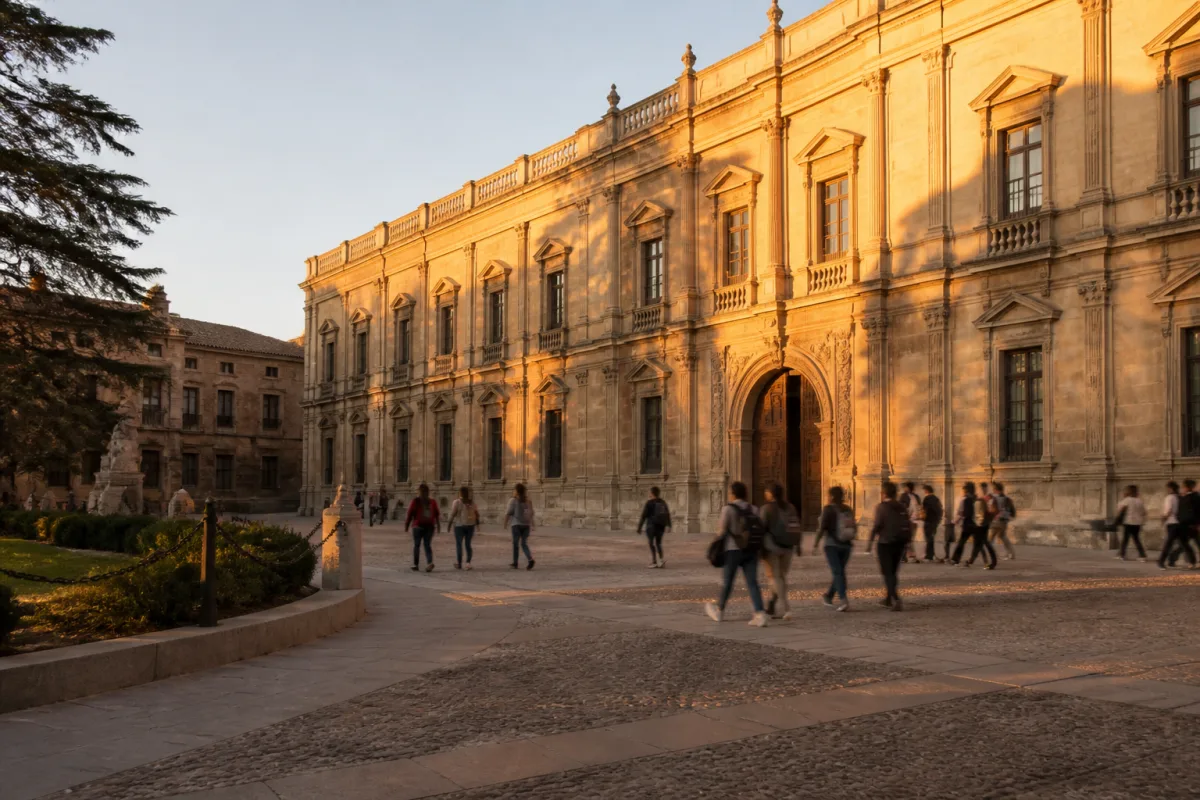
Another point in the country’s favour is the reputation of its universities. Trinity College Dublin and University College Dublin consistently rank among the world’s best, and dozens of international students pass through them every year.
Ireland’s Top Universities: UCD and Trinity College Dublin
University College Dublin (UCD) and Trinity College Dublin (TCD) are the two Irish universities that consistently rank among the world’s best and remain the primary target for most applicants. Beyond them, the country has solid second-tier universities — University College Cork, University of Limerick, NUI Galway — but UCD and TCD are usually the top choice applicants aim for.
The problem is that there aren’t many strong universities in the country, and the number of places in them is even smaller. Because of this, even a programme with an officially open intake can, in practice, mean no spots are left by the time you apply. Submitting an application and paying the admission fee in that situation simply wastes time and money.
Submitting an application and paying the admission fee in that situation simply wastes time and money.
To have a real shot at UCD or TCD, applications need to go in early — not based on the official deadline. For the largest, autumn intake (starting in September), the application should be submitted back in November-December of the previous year — that’s when places still physically exist.
UCD and TCD formally accept applications until May, but in reality, places on popular programmes disappear as early as December-January. Applications should go in during November-December of the previous year.
When to Apply: Autumn and Spring Intake Timelines
Applications to Irish universities open in November, and by December-January, places on popular programmes are already running out. The formal deadline for some courses is set in May, but that’s no guarantee of a place: by spring, there are usually no open slots left, and submitting an application with the fee at that point is pointless — there simply isn’t any capacity remaining.
The main intake is the autumn one (Fall intake), the largest by number of places, which starts in September. To secure a spot in it, applications need to go in during November-December of the previous year — almost a full year before classes begin.
Alongside the autumn intake, there’s a secondary, smaller one — the Spring intake, starting in January. It’s much smaller in scale: most universities simply don’t have available programmes for the spring stream, so the September intake should be the main focus.
Applying on time matters not only because of limited seats at top universities — though that alone is critical, since competition for a limited number of places closes off admission as early as the start of winter. There’s a second reason too: housing. The later a student receives an offer of admission, the later they can start looking for accommodation — which means landing in the most constrained period of the market, when choice is minimal and prices are higher.
When to Apply for the Autumn Intake
Applying almost a year before classes start in September gives a real shot at securing a place.
- Applications openNovember
- Apply for the autumn intake (Fall intake)November-December of the previous year
- Places on popular programmes run outDecember-January
- Formal deadline for some coursesMayPlaces are usually already filled by this point
- Main (autumn) intake beginsSeptember
Financial Requirements and the New TrustEd Programmes List
For the visa, applicants need to show sufficient funds in their account — by various estimates, around €10,000 to cover a year’s living expenses — but the exact figure depends on the specific programme and university, so it’s worth confirming before applying.
Part of this amount can be covered through part-time work, but the choice of job matters. Work outside your field — as a courier or driver — brings in money right away but doesn’t build relevant experience or industry contacts, which is why many graduates ultimately don’t recoup what they invested in their degree.
A second change concerns the approval system for programmes open to international students. The previous ILEP (Interim List of Eligible Programmes) system is being replaced by TrustEd Ireland — a quality mark awarded to universities and courses by Quality and Qualifications Ireland (QQI). The transition is happening in stages, so the status of a specific programme should be checked right before applying.
An English language certificate — IELTS, TOEFL, or PTE — is also mandatory for the application. Score requirements, like minimum GPA requirements, vary by university, so they should be confirmed in advance for each programme you’re applying to.
A part-time job outside your field brings in money immediately but doesn’t build experience or industry contacts — which is why some graduates never recoup what they invested in their degree.
What to Prepare Before Applying
Student Housing: The Crisis and the Cost of Renting
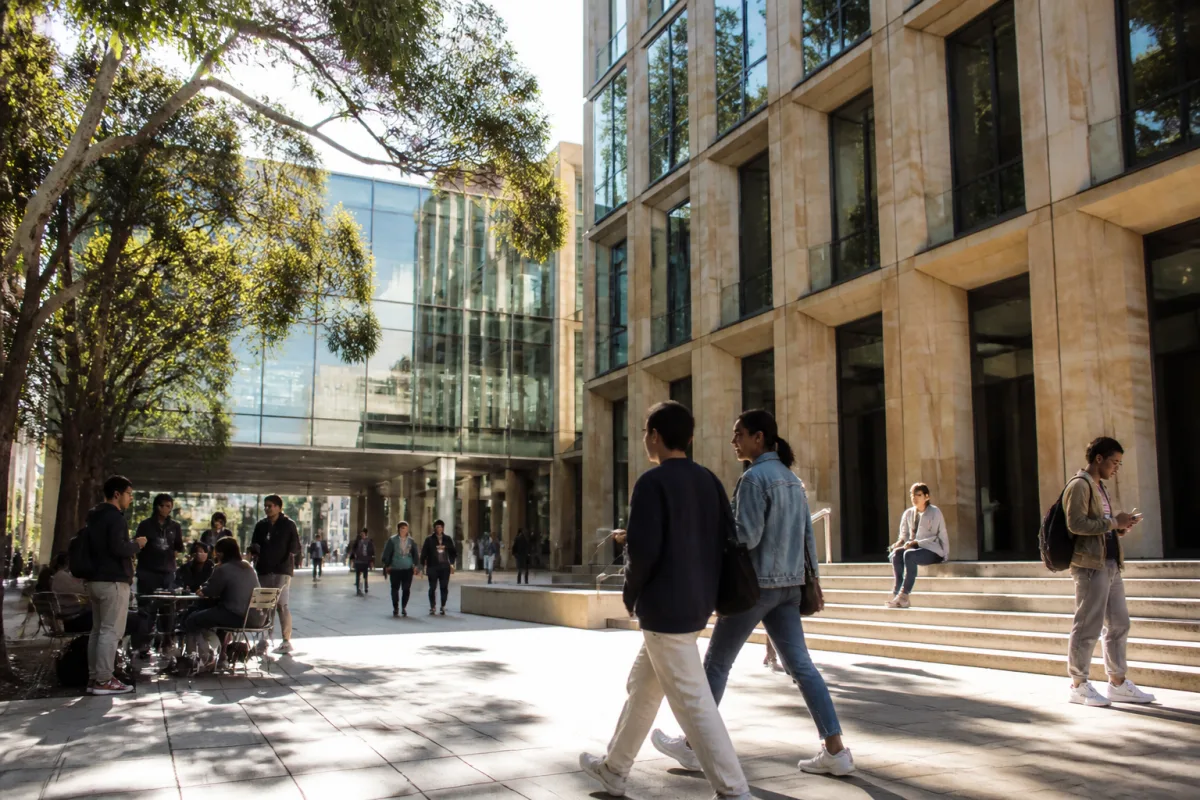
Housing for students is a separate problem in Ireland: the country is in the grip of a housing shortage that affects most European cities but is felt especially acutely here. The number of people wanting to study keeps growing while available housing doesn’t, which means some students simply can’t find an affordable place to rent at all.
some students simply can’t find an affordable place to rent at all
Even sharing accommodation with roommates, monthly rent typically runs €500–1,000. That’s a significant sum for rent alone, before any other living costs.
Housing issues typically don’t arise for those who secure admission early and start looking for a place well in advance. Those who leave the search until the last minute almost always run into trouble: they end up either overpaying, settling for questionable roommates, or living far from the university and losing extra time commuting.
Those who secure admission early and start the housing search right away usually don’t run into problems. Searching at the last minute almost always means overpaying or living far from the university.
Cost of Studying in Ireland: Bachelor’s, Master’s, and Scholarships
A bachelor’s programme in Ireland costs €10,000–25,000 a year, a master’s €10,000–40,000 a year: the ranges nearly overlap, but the master’s ceiling is notably higher. On this measure, Ireland is one of the most expensive countries in Europe to study in, and the high cost is exactly what pushes some applicants away from a bachelor’s degree — many choose to go straight for a master’s programme instead.
Scholarships help close the gap: based on experience supporting students through the process, coverage ranges from 30% to 100% of programme cost. But securing that kind of support depends on two conditions: applying early and presenting a strong profile — a good GPA/CGPA and, ideally, published research. Without applying on time, even a strong profile doesn’t improve your odds — places on scholarship programmes, like places on the courses themselves, fill up fast.
Among in-demand fields, strong outcomes come from programmes in Data Science and AI, medicine and healthcare (including narrow specialisations like oncology), as well as Business Analytics and Finance — graduates of these programmes find jobs successfully after finishing their degree.
The Work Permit and the Path to Permanent Residency After Graduation
During studies, the student visa allows working up to 20 hours a week — this covers both casual part-time work and work in your field, if you manage to find it at this stage. During holidays (June–September and December 15 to January 15), the limit rises to 40 hours a week.
After getting their degree, a graduate applies for an initial work permit valid for 2 years — that’s the default window the country gives for the transition from study to employment. The route from there depends on which field the graduate finds work in.
If the profession is on the list of critical skills occupations (medicine, finance, computer science — the exact list is published officially and can change over time), the graduate is issued a Critical Skills Employment Permit. Its key advantage is that it skips the labour market needs test, which is mandatory for the other type of permit. Thanks to that, eligibility to apply for permanent residence status (Stamp 4) kicks in after just 21 months.
If the profession isn’t on the critical list, a General Employment Permit is issued instead — with it, the labour market test is mandatory, and the wait for eligibility to apply for permanent residency stretches to 57 months, nearly 5 years. For that reason, the choice of field of study is worth weighing against the critical skills list early, before enrolling: the list may change by the time you graduate, but it’s still a far better guide than choosing a profession blind.
the wait for eligibility to apply for permanent residency stretches to 57 months, nearly 5 years
Work in Your Field Matters More Than Casual Jobs
The 20 hours a week allowed under the student visa are better spent working in your field rather than on random part-time jobs: it builds contacts and professional experience even before you get a full work permit.
The Path to Permanent Residency After Graduation
The choice of profession directly determines how long you’ll wait for eligibility for permanent status (Stamp 4).
- Initial work permit after graduation2 years
- Critical Skills Employment Permit → Stamp 4 eligibility21 monthsNo labour market test required
- General Employment Permit → Stamp 4 eligibility57 monthsLabour market test mandatory
A Critical Skills Employment Permit skips the labour market test and opens eligibility for Stamp 4 after 21 months. With a General Employment Permit, the wait stretches to 57 months.
Graduate Salaries and Return on Investment
A graduate’s starting salary in Ireland depends on the profession, but in most IT and technical fields, it covers the cost of the degree within one to two years.
| Profession | Salary per year, € |
|---|---|
| Software developer | 45,000–65,000 |
| Data scientist | 50,000–80,000 |
| Accountant | 40,000–60,000 |
| Dentist | 65,000–85,000 |
Even if the degree was financed through a loan, students typically recoup the investment within 1–2 years of entering the job market. The figures vary by profession, so it’s worth checking salary benchmarks for your specific field before applying.
Return on investment depends not just on the degree but on when networking starts. Professional contacts should be built before the move, not after: part of the 20-hours-a-week part-time work is worth seeking specifically within your own field — future work in your profession, even part-time, offers more than a random side job like driving. This approach turns the student years into more than just studying — it becomes the start of a career in your chosen field even before graduation.
Frequently asked questions
What happens if you apply to a university later than November-December but still before the official May deadline?
The formal deadline doesn’t guarantee a place: by spring, there are usually no open slots left on popular programmes, especially at UCD and TCD. Submitting an application and paying the admission fee at that point is pointless — there’s likely nothing left to apply for.
Can you apply straight to the spring intake if you missed the autumn one?
Technically yes — the Spring intake, starting in January, does exist — but most universities simply don’t have available programmes for it. So it shouldn’t be treated as a full substitute for the autumn intake: if you’ve missed the autumn deadlines, it’s better to aim for the next autumn cycle rather than wait for spring.
What happens if your profession isn’t on the critical skills occupations list?
In that case, instead of a Critical Skills Employment Permit, the graduate receives a General Employment Permit, which requires a mandatory labour market needs test, and eligibility to apply for permanent residence status (Stamp 4) only kicks in after 57 months — nearly 5 years instead of 21 months.
Can you switch fields after graduating to get onto the critical skills occupations list?
The critical skills occupations list can change over time, and the exact list is published officially, so there’s no guarantee a chosen field will remain on it — or get added to it — by graduation. It’s more sensible to check the current list while choosing a study programme than to switch fields after already getting your degree.
Does a student need to convert the required account balance into their home currency?
For reference, the required amount of around €10,000 is a useful figure to keep in mind when planning funds in any currency. The exact requirement is best confirmed for the specific programme before applying.
Can part-time work of 20 hours a week fully cover living costs without touching savings?
The material doesn’t support this as a guaranteed scenario: part-time work helps cover only part of the required living costs, not replace them entirely. At the same time, work outside your field brings in money right away but doesn’t pay off your degree investment the way work in your profession does.

Comments
Reader experience is useful, but it is not advice: check the rules on the official site.
No account needed: click Sign in, type any name, and you are done.