
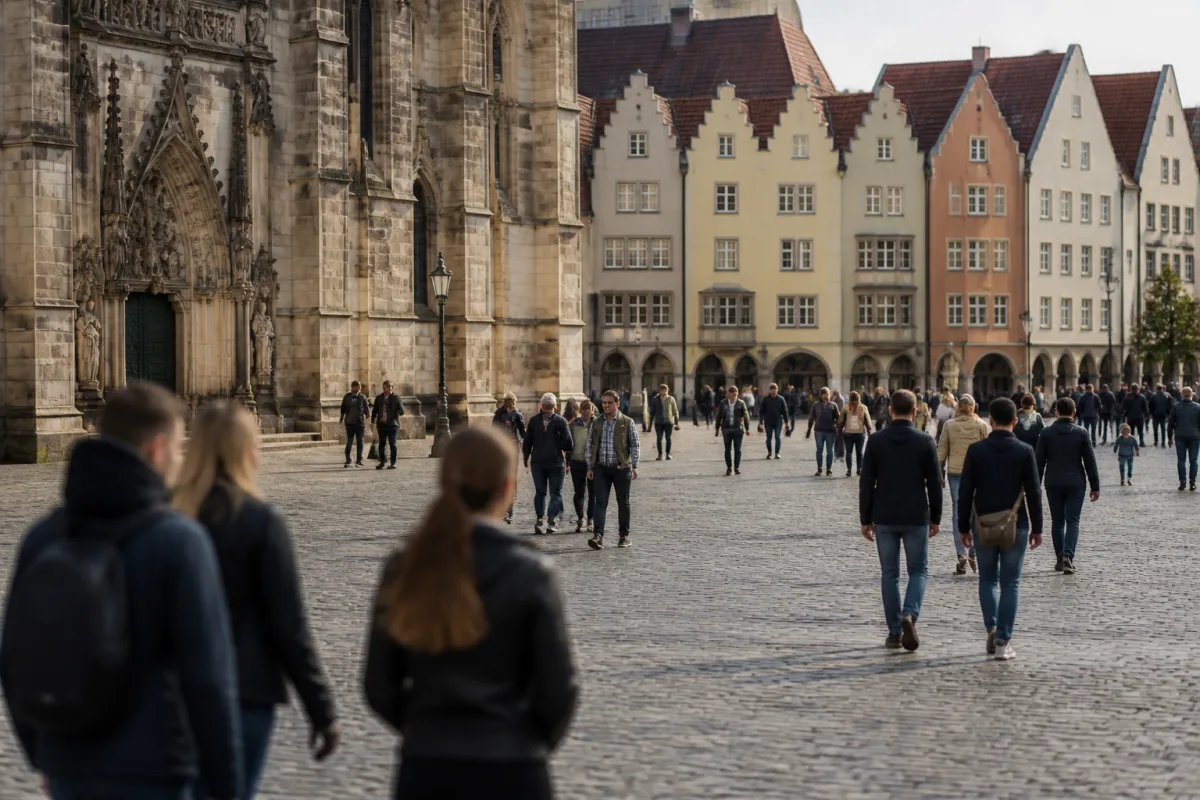

Temporary protection in the European Union does not count toward citizenship and guarantees no rights. EU countries tighten naturalization requirements every year, and the status itself can be revoked or aid programs frozen at any moment — leaving Ukrainians in the position of illegal immigrants.
Why years under temporary protection don’t count
Temporary protection grants the right to legal residence and work, but these years are not officially counted toward the residency requirement for citizenship. In practice, this is what happens: a person works four years in a country under temporary protection, but if they then switch to a new status, all four of those years are reset to zero. The state essentially says: “We saw nothing, start from scratch.”
This is especially harsh for those already close to the required naturalization period. If a country requires five years of legal residence, and a Ukrainian has already spent 4.2 years there under temporary protection, they will have to start counting five years all over again after changing status. Meanwhile, ordinary refugees under international law obtain citizenship after three years and may not work at all — living on benefits, in state housing, and applying for a passport after three years. Europe applied this scheme to millions of people and considered it normal, but toward Ukrainians the approach is different.
EU countries are raising citizenship requirements in 2025–2026
Across the entire European Union, almost every country is simultaneously pulling naturalization rules toward tightening rather than easing them. Ireland wants to raise the requirement from five years to eight years of legal residence for citizenship. All other EU member states are also changing their conditions, making the process longer and stricter.
This coincides exactly with the period when Ukrainians would begin to acquire the right to naturalize. The synchronized tightening of rules means that even if a person transfers time spent under temporary protection to their new status, the requirements will already be different — and higher.
Temporary protection is not a privilege but a tool of control
At first glance, temporary protection seemed like an advantage: a special status created specifically for Ukrainians. But in reality this means the state can withdraw everything at any moment. Tighten the rules, close aid programs, take away state housing, refuse to renew documents, deport people — and a person effectively becomes an illegal immigrant with no rights whatsoever.
The key feature of the status itself — its temporariness, its instability — says a lot: it provides no guarantee at all. By definition, the status doesn’t allow for planning a future the way permanent status does. Any political turn, any government decision — and everything can change.
In practice, requirements for Ukrainians are stricter than for other migrants
If a person switches to a new status after temporary protection, they are often barred from using state assistance, education programs, or retraining. The state literally demands: “Build your own life, without help from us.” Meanwhile, ordinary migrants from other categories can receive benefits, go through state retraining programs, take several courses — and all this time counts toward the naturalization requirement.
Ukrainians, however, must work 5–8 years in a row, fully supporting themselves without relying on state support. Economically, this benefits only the EU: people work, pay taxes, but no social payments flow to them from the treasury.
Worse prospects for pensioners, disabled people, and vulnerable groups
Ukrainians are on average younger and healthier than other migrants — making them a valuable workforce for the EU economy. But pensioners, disabled people, and other vulnerable groups don’t fit this model. In the short term, they face difficulties: tighter requirements, reduced assistance, closure of support programs.
The reason is that Europe itself is under financial pressure. It needs workers, not dependents. Ukrainians are seen as an ideal workforce: hardworking, cheap, willing to work under conditions others simply won’t accept. There’s a name for this model — a worker without rights, without a voice, who pays taxes to cover a car, an apartment, food, and one vacation a year, and hands over everything else to the state.
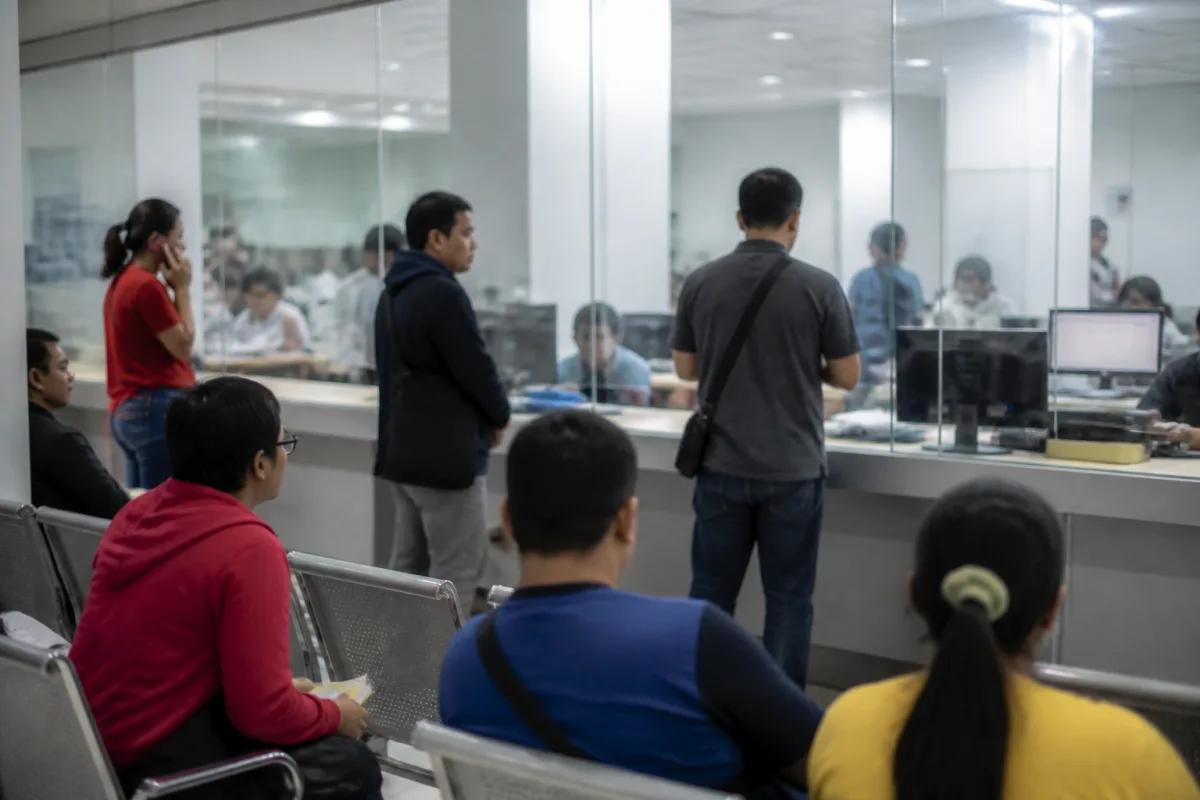
Why the EU won’t discard Ukrainians despite the criticism
Despite all the tightening and criticism of Ukrainians in public rhetoric (especially in Poland and other countries), no EU country will actually discard this workforce. If millions of Ukrainians suddenly left, the economies of these countries would collapse. Who would work in factories, construction, healthcare, care homes?
Politicians understand this and play a double game: in public statements they demand tighter immigration and the removal of migrants, but in reality they take no decisive action. Because the cost of deporting all illegal migrants and losing millions of work-hours would be far more expensive than the current system, in which people work and pay taxes.
Bottom line: the years don’t come back
Temporary protection cut off Ukrainians’ path back. People who lived in a country for three, four, 4.5 years thought this time would count toward naturalization. But the system is designed so that everything resets when switching to a new status.
For someone who has already spent years of their life working in a foreign country while waiting to return or to build a new life, losing this accumulated time is, in essence, a loss of time itself. There is no way to get those years back.
Comments
Reader experience is useful, but it is not advice: check the rules on the official site.
No account needed: click Sign in, type any name, and you are done.