


Green card approval is no guarantee for naturalization. USCIS runs a far deeper check when you apply for citizenship, surfacing information that never came up when your permanent resident status was confirmed: inconsistent answers between a tourist visa and a green card application, criminal history, and residence records. Cases that once sailed through can now end in denial — and even removal proceedings to revoke the card.
Why the background check at adjustment is weaker than at naturalization
When applying for adjustment of status or an immigrant visa, USCIS does run biometric identification and fingerprinting, but the depth of review is limited. The agency relies on data that surfaces in FBI fingerprint records — serious events such as arrests, where the person was already physically fingerprinted. Minor fines and violations usually don’t show up in either biometric results or the FBI database.
At naturalization, the whole system changes. USCIS runs a comprehensive review: they search for name matches across every registry — marriage documents, residential addresses, moving history, criminal records at a much finer level of detail. Information that never surfaced during the green card process can come to light when filing Form N-400.
Visa and document checks at naturalization
When applying for citizenship, USCIS thoroughly reviews all prior visa applications for the first time. If answers given on a tourist visa contradict what was stated in the green card paperwork, this can be classified as material misrepresentation of facts.
Now, when someone applies for adjustment, USCIS will reliably check all those old visa records before approval. But previously, especially a few years ago, officers often didn’t check tourist visas at all. If someone got their green card 5 or 10 years ago, this inconsistency could have gone unnoticed. At naturalization, that error surfaces.
Depth of USCIS review: adjustment vs naturalization
USCIS checks different things with different intensity at each stage.
| What’s checked | At adjustment of status | At naturalization (N-400) | |
|---|---|---|---|
| Biometrics | Yes | No | — |
| Tourist visas | Usually not | Yes, always | — |
| Criminal history | Major events | Full level of detail | — |
| Residence records | No | Yes, all addresses | — |
| Marriage documents | Basic | Full history | — |
Fraudulent admission: material misrepresentation and naturalization denial
When USCIS finds material misrepresentation in an N-400, the denial decision will state: “You were never lawfully admitted for permanent residence.” Even though the adjustment officer noticed nothing at the time, the applicant was actually inadmissible due to fraud. By law, they should have filed a fraud waiver. If that never happened, the permanent status is considered to have been obtained unlawfully.
A naturalization denial on this basis is a serious complication. In the past, people simply got denied and kept their green card, even renewing it. Now the situation is changing.
A new risk: removal proceedings after a naturalization denial
Historically, if an N-400 was denied because the person was never lawfully admitted, they kept their green card. But over the past year a new trend has emerged: after a naturalization denial, some people receive a Notice to Appear (NTA) — notice of immigration court proceedings.
This is a completely new phenomenon. It’s unclear what pattern USCIS uses to decide who gets referred to court and who keeps their green card. There’s no clear system yet. Some people just get a denial letter and nothing more. Others — after some time — receive an NTA, and removal proceedings against the card begin.
If someone is lucky enough not to receive an NTA, the advice remains the same: don’t travel abroad for the foreseeable future. Upon return, you could be detained at the airport, and removal proceedings could be initiated right there.
Passing I-751 review doesn’t guarantee naturalization success
People are often misled by the fact that their green card was obtained through marriage and already approved when conditions were removed via Form I-751. They assume: if they passed that check, naturalization should be easy too.
That’s not the case. When a green card is obtained through marriage, the background check isn’t very intensive. For I-751, the review is even less thorough — the USCIS officer mainly checks whether the marriage was bona fide and remained so for two years. If the marriage ended, they check whether it was bona fide from the start.
Passing I-751 says nothing about readiness for naturalization. It’s especially frustrating when a combined I-751 and N-400 interview is scheduled. An I-751 approval can arrive alongside an N-400 denial — even though nothing in the applicant’s life has changed, the review standards are completely different.
Stricter checks for green card applications right now
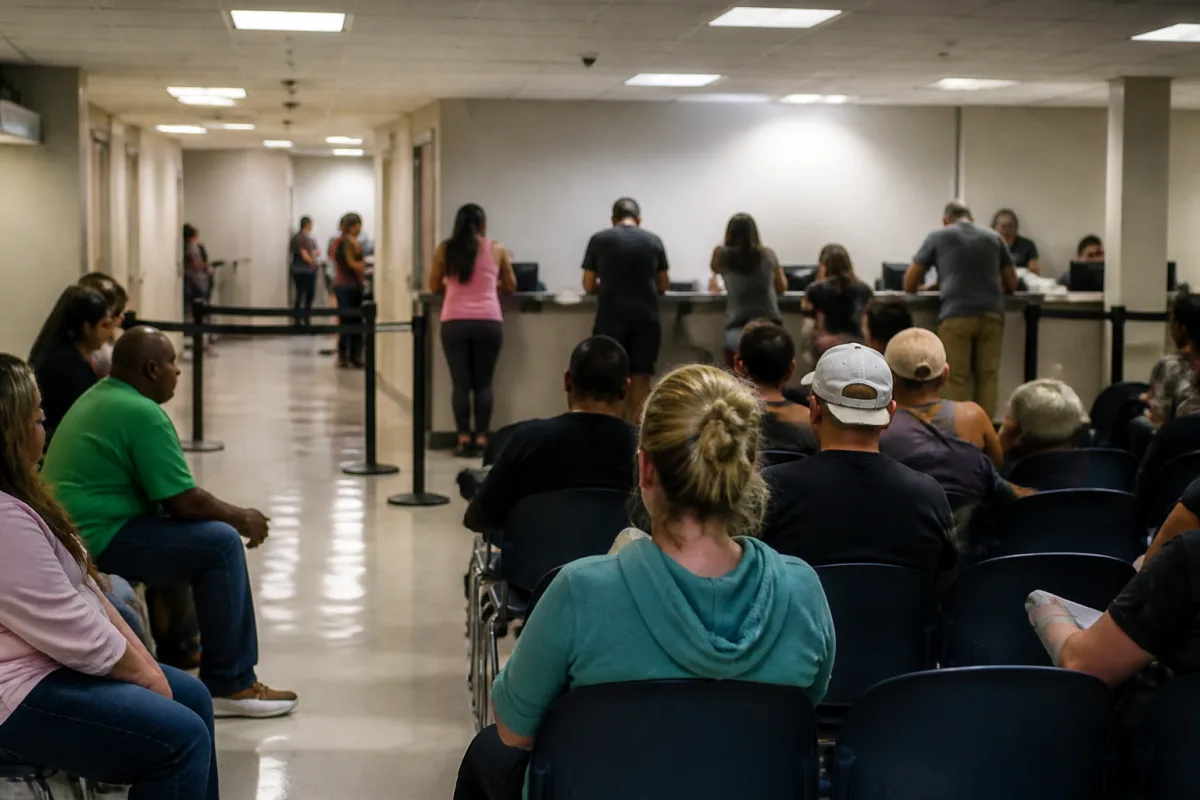
Right now, USCIS is running far more intensive background checks even for adjustment of status applications. Officers are finding information that hadn’t surfaced in a decade. This is leading to denials in some cases that would previously have been approved.
Especially strange: in denial decisions, USCIS lists information whose origin is completely unclear. Practitioners haven’t seen anything like this in the past decade. People who previously obtained permanent resident status easily are now facing a much tougher review.



Comments
Reader experience is useful, but it is not advice: check the rules on the official site.
No account needed: click Sign in, type any name, and you are done.