
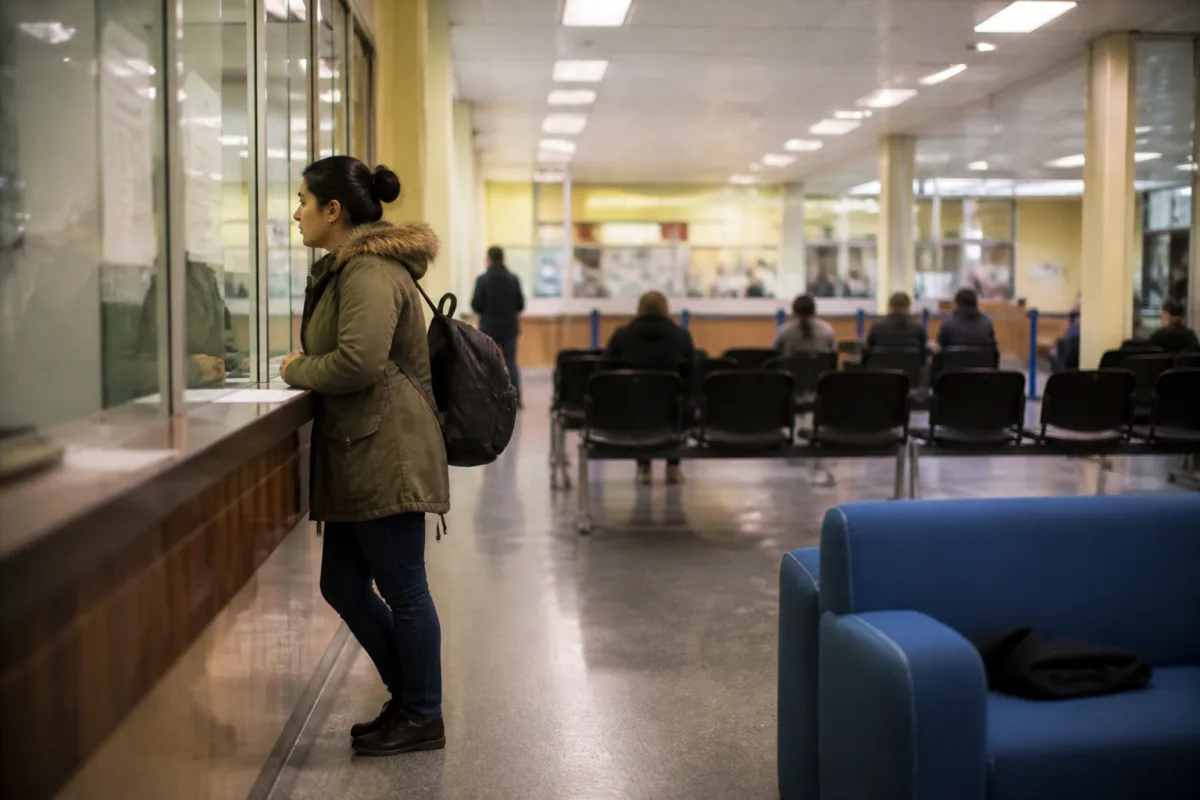

Home Office processing times now vary sharply by route — from 4–5 months for Skilled Worker to 8–20 months for Family and Private Life applications and administrative reviews — so there’s no single timeline to expect.
In short
- Skilled Worker applications take 4–5 months, while Family and Private Life applications take 8 to 20 months, sometimes longer.
- Contacting your MP through Find My MP is free and considered the most effective way to speed up a response on a delayed case.
- A preaction protocol is only filed after a decision has been received, and this route costs money if a legal representative handles the case.
- A fee waiver is assessed separately from the visa and takes 8–12 weeks, during which the visa application itself isn’t reviewed.
- While on the 10-year parent route or “family and private life” status, you cannot sponsor a partner — you need ILR, citizenship, humanitarian protection, refugee status, or settled status as an EU citizen.
How long applicants are actually waiting for a Home Office decision right now
Delays in Home Office decisions have become unusually common — this is especially true for applications on humanitarian grounds, Skilled Worker cases, and administrative reviews, some of which still haven’t received a response after 9 months.
For Family and Private Life applications (FLR FP), the current range is 8 to 20 months — this spread is what immigration advisers are currently telling clients in practice; there’s no official published statistic for this specific range. For comparison, the typical timeframe for this category used to be cited at around 12 months — the upper end has now stretched to 20.
Skilled Worker applications move noticeably faster: based on the experience of applicants seeking advice, a decision usually takes between 4 and 5 months. Home Office generally responds faster on this category than on applications tied to private and family life.
Some individual cases fall outside even this wider range: among clients, there have been applications that took 15 and 20 months to resolve. This spread — from a few months to a year and a half or two — comes down to the fact that Home Office processes different application types through different queues with different priority levels: humanitarian grounds and private/family life cases require more detailed scrutiny than work visas.
among clients, there have been applications that took 15 and 20 months to resolve
How long decisions take across different application categories
Processing time spread by Home Office application category
- Skilled Worker4–5 months
- Family and Private Life (FLR FP)8–20 monthsrange from current advisory practice
- Individual FLR FP casesup to 15–20 monthsseen among clients
- Fee waiver8–12 weeksconsidered separately from the visa
Home Office processing times vary sharply by category: Skilled Worker decisions take 4–5 months, while Family and Private Life applications take 8 to 20 months, sometimes longer.
What to do if Home Office is taking too long: contacting your MP
- Find your MP. Search “Find My MP” on Google and enter your postcode — the tool will show the contact details for the Member of Parliament assigned to your address.
- Send your MP a request online. Their contact page lists an email address — write asking them to contact Home Office and request a status update on your application.
- Wait for your MP to get in touch with Home Office. The MP sends the inquiry on their own behalf — this is considered the most effective way to get a response on a delayed case.
You can also write to Home Office directly, but that goes through a general email address, and in practice responses to such emails tend to come back slowly.
Contacting your MP is free: it’s not a paid service but part of their constituency casework, so there’s no charge for it. The one drawback is that the process still takes time — an MP’s inquiry can help move things along, but it doesn’t make the decision instant.
A request through your MP is free and considered the most effective way to speed up a response on a delayed case — you can find your MP through the Find My MP service.
How to contact your MP over a Home Office delay
Preaction protocol: a legal challenge against Home Office
A preaction protocol is the next step after contacting an MP: it’s a legal challenge against Home Office, filed once a decision on the application has already been received. Unlike an MP inquiry, this route costs money — if a legal representative handles the case, their services are billed separately, and the costs can be significant.
Choosing between the two routes comes down to a trade-off between time and money. Contacting an MP is free but requires patience — you still have to wait for a response. A preaction protocol moves faster toward a formal legal challenge, but it costs money because it involves a legal representative.
A preaction protocol moves faster toward a formal legal challenge, but it costs money because it involves a legal representative
A preaction protocol is only filed after a decision on the application has been received, and if a lawyer handles the case, their fees are billed separately — costs can be significant.
Contacting your MP vs. a preaction protocol
| Criterion | Contacting an MP | Preaction protocol |
|---|---|---|
| When it applies | While a decision is still pending | After a decision on the application has been received |
| Cost | Free | Paid, if handled by a legal representative |
| Speed | Requires patience, a response still takes time | Moves faster toward a formal legal challenge |
Choosing between the two routes comes down to a trade-off between time and money, as stated directly in the article.
Fee waiver and other separate processing timelines
A fee waiver application is considered separately from the main visa application — processing takes 8 to 12 weeks. This timeframe sits outside the general processing times for visa routes: while Home Office is deciding on the fee waiver, consideration of the visa application itself doesn’t begin.
New rules and the parent visa on the 10-year route
Recently introduced rules haven’t brought significant changes for parents on the 10-year route. No categorisation shift that would alter conditions specifically for this group of applicants has appeared so far.
The one point worth watching concerns the child on whose basis the parent was granted the visa: that child must not have started an independent life. “Independent life” here refers to a specific situation — the child has married and formed their own family unit. As long as that hasn’t happened, the status of a parent visa on the 10-year route continues without additional conditions arising from the new rules.
That said, the situation could change in the future: there are discussions of initiatives that go as far as scrapping certain visa categories entirely, but implementing them requires parliamentary approval, which is neither a quick nor a guaranteed process.

Private and family life visa: the rules, and travel to Pakistan
A private life visa is granted on two different bases. The first is having lived in the country for 20 years or more. The second is a shorter period of residence, under 20 years, combined with significant obstacles to integration in the applicant’s country of origin — this is precisely what leads Home Office to grant the visa in such cases.
Holders of a family or private life visa can travel to Pakistan freely — that restriction doesn’t apply to this visa category. The problem with travelling back to one’s home country arises for a different group of applicants: those holding refugee status or refugee protection. That status is granted specifically because the person faces danger in their home country, so travelling there would contradict the very basis on which the status was granted.
The seven-year rule for children: why refusals have increased
The seven-year rule allows a child to apply after having spent 7 years in the UK — birth in the country isn’t a requirement, as this also covers children who arrived from abroad. The basis for the application is protection of private life: the applicant must show that it would be unreasonable to expect the child to leave the UK after that length of residence.
Recently, refusals in this category from the Home Office have become more frequent — this pattern applies specifically to cases where the seven-year residence period is the sole basis for the application. Decisions under the seven-year rule are challenged through an appeal.

Can you sponsor a spouse from Pakistan while on the parent route
While on the 10-year parent route, sponsoring a spouse is generally not possible — this follows from the Appendix FM requirements for sponsor status. This has come up in the case of an applicant on the 10-year parent route who asked about sponsoring a new wife from Pakistan: he was told that people on the “family and private life” route cannot act as a sponsor for a partner.
people on the “family and private life” route cannot act as a sponsor for a partner
Appendix FM only allows partner sponsorship if the sponsor holds one of the following statuses:
- indefinite leave to remain (ILR);
- British citizenship;
- humanitarian protection;
- refugee status;
- EU citizenship with settled status.
The parent route and “family and private life” status aren’t on this list, so someone holding either cannot bring a partner to the UK. This also applies if the marriage takes place after the “family and private life” status was granted: getting married doesn’t by itself change the sponsor’s status, and it doesn’t add that status to the list of qualifying grounds.
Appendix FM allows partner sponsorship only with ILR, British citizenship, humanitarian protection, refugee status, or settled status as an EU citizen — the parent route and “family and private life” status aren’t on this list.
Do you need to tell Home Office about a change in marital status
A change in marital status on the application form shouldn’t by itself affect the decision. If the status changes after the application has been submitted, it must be reported as part of the ongoing application — this is a requirement, not a suggestion.
The problem arises in a different scenario: if the spouse has issues with their own status — for example, they’ve overstayed their permitted period of leave — this can prompt additional questions from Home Office and act as a kind of red flag for the application. But the decision on the application is based on the applicant’s own grounds, so problems on the spouse’s side don’t automatically mean a refusal.
Frequently asked questions
Can you appeal if your application is refused under the seven-year rule
Yes, decisions under the seven-year rule are challenged through an appeal. This applies specifically to cases where the sole basis for the application was the child’s seven years of residence in the UK — refusals from the Home Office in these cases have become more frequent recently.
What happens to a parent visa if the child it was based on turns 18
Turning 18 by itself doesn’t affect the status of a parent visa on the 10-year route — what matters isn’t age but whether the child has formed their own family unit, meaning they’ve got married. As long as that hasn’t happened, the status continues without additional conditions.
Can you contact your MP and file a preaction protocol at the same time
The two routes described apply under different conditions: contacting an MP is available at any point while a decision is pending, while a preaction protocol is the next step, used only after a decision on the application has already been received. In other words, they belong to different stages of the case rather than being mutually exclusive options available at the same moment.
Can you submit a visa application while a fee waiver request is being considered
No: while Home Office is deciding on the fee waiver, consideration of the visa application itself doesn’t begin. Fee waiver processing takes 8 to 12 weeks and runs separately from the general processing times for visa routes.



Comments
Reader experience is useful, but it is not advice: check the rules on the official site.
No account needed: click Sign in, type any name, and you are done.