


According to Washington Examiner, since early October ICE has been running a special operation in California called Safe California: agents are detaining anyone who looks like an immigrant, regardless of criminal history. As of publication, 559 people had been detained, and under the new rules getting out of detention on bail is practically impossible. A court ruling from October 23, 2026 bans profiling, but it only applies in part of the state’s counties.
What’s happening in the state
The operation started in San Diego, then spread to Los Angeles and continues city by city. According to reports, ICE expects to fully «sweep» California by the end of November. Both state residents and visitors are at risk.
According to the description, arrests are carried out based on profiling: agents pay attention to clothing, accent, and where a person is located. The usual scenario is: they approach, ask questions, listen to the answers, assess whether there’s an accent, and ask about documents. If the person lacks legal status, they are arrested and placed in detention.
Why getting out of detention has become harder
Under the new rules, as stated in the material, getting out of detention is now practically impossible. Previous tools, including release on bail, don’t work in practice anymore, so a detainee will most likely remain there until the court hearing.
Even in detention, a case can be won. In the case described, the applicant received approval in detention in Louisiana from a judge who approves 2% of cases.
The October 23, 2026 court ruling
On October 23, a California judge ruled that ICE cannot use profiling — that is, appearance, accent, or a specific location — to suspect that a person is an immigrant. The ruling does not apply across the whole state.
According to the listed counties, it covers Los Angeles, Orange, Riverside, San Bernardino, Ventura, Santa Barbara, and San Luis. In the rest of the state’s counties, including San Diego, the ruling does not apply.
Even in counties where the ruling applies, it doesn’t guarantee absolute protection: agents aren’t required to ask for a name, and if a person is of interest to them, they can still be detained. The odds have gone down, but not to zero.
How to reduce risk where the ruling doesn’t apply
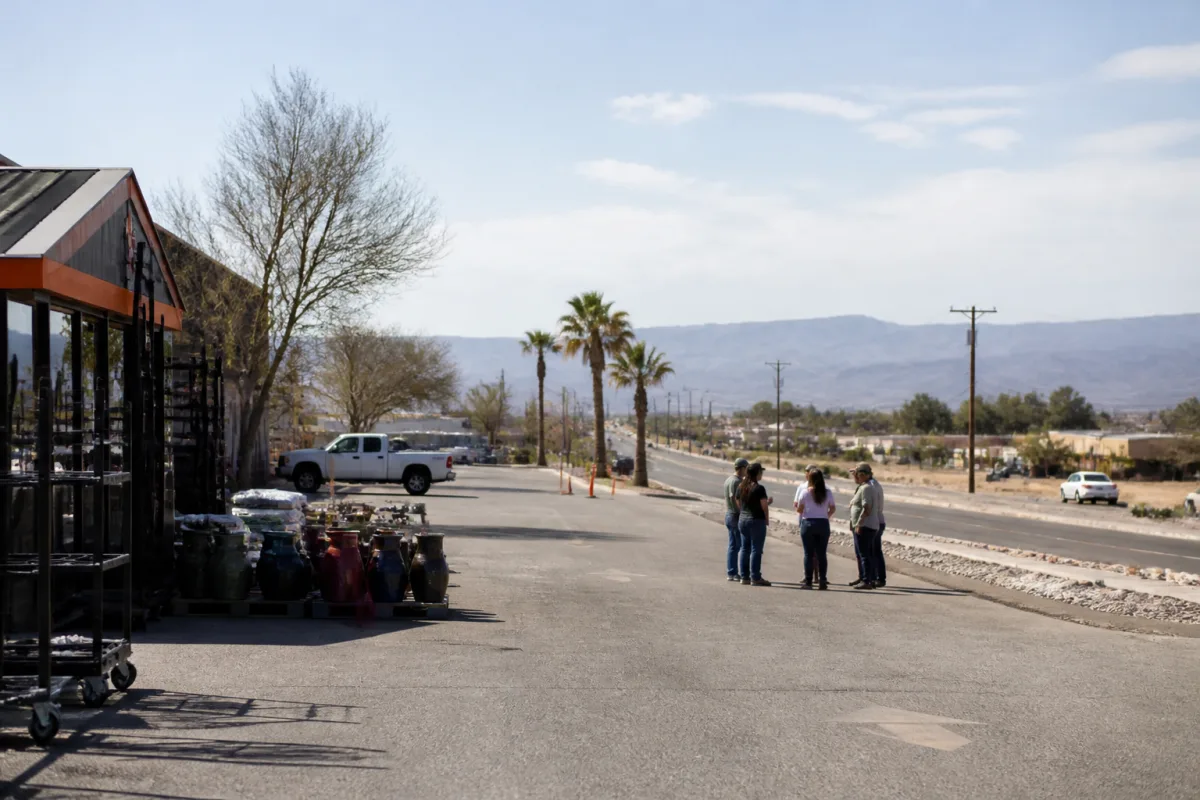
If you live in a county where the ruling doesn’t apply, it makes sense to lower your visibility in advance. Dress and behave the way Americans typically do, speak your native language less, and reduce your accent where possible. Avoid places where immigrants live or work in large numbers: immigrant neighborhoods, hardware stores, bus stations. According to the description, most arrests in California happen near Home Depot stores.
Don’t make eye contact with ICE agents, don’t cross paths with them, and don’t stand in their way. Keep in mind that sheriffs, police officers, inspectors, as well as «plumbers» and «electricians» may actually be ICE agents in disguise.
What to do if stopped
The main rule: don’t run, don’t resist, and don’t engage in dialogue. In counties where the anti-profiling ruling applies, you can repeat the question: «Am I free to go?» If agents are aware of the ruling and don’t overstep their authority, they may let you go.
If you have documents on you confirming that you’re awaiting an asylum decision, that your case is filed and a court date or interview is scheduled, a driver’s license, social security number, or other documents showing lawful presence in the country, your chances of staying free are higher. The human factor matters too: sometimes a document check is enough, after which the person is released. It makes sense to keep documents at hand, including as a separate folder on your phone.



Comments
Reader experience is useful, but it is not advice: check the rules on the official site.
No account needed: click Sign in, type any name, and you are done.