


In 2026, applying for Spain’s digital nomad residency has become more complicated: new requirements, tighter procedures, refusals, and additional requests have appeared that were not part of this program before. Applicants should choose the right filing scheme to avoid unnecessary obligations and mistakes during the process.
The Overall Picture of Changes
According to observed cases, throughout 2026 the procedure has gained many new requirements and stricter rules. Applicants are facing refusals and additional requests that did not previously occur under the digital nomad residency program. Regulation is becoming more explicit, and further developments are not yet predictable, so anyone considering this program would do well to act without delay.
Freelance or Employment: Choosing a Filing Scheme
There are two ways to apply for the digital nomad residency: as a freelancer, meaning someone working for themselves, or as an employee working for one specific organization.
When applying as a freelancer, you must register as a self-employed individual (autónomo) in Spain and pay social security contributions. In the first year of living in Spain these are small, but they start to rise afterward.
When applying with an employment contract, there is no obligation to register as self-employed, and Spanish social security is not paid, provided the case is prepared correctly and the application states that social contributions are paid in the country where the employment contract was signed.
If you plan to stay in Spain and renew your residence permit, the autónomo scheme may be suitable. If the residency is granted for only 3 years and further plans are unclear, in most cases the employment contract option is better.
Family and Adult Children
There is no need to file several separate digital nomad cases within one family if the couple lives in a civil partnership. To confirm such a partnership, it is enough to have a notary in Spain draw up a document called a ‘pareja de hecho’.
Adult children can also be included in your case if it is proven that they are dependent on their parents. According to described experience, families of five and seven people have relocated this way, mostly with adult children. This option exists, but not all agencies work with it.
Taxes in Spain
In most cases, for the average salary of a qualified specialist, 20, 25, or 30% is withheld from wages. The rate is calculated individually on a progressive scale and depends on numerous deductions and benefits.
For comparison: in Russia the official tax on employment income is 13%, and taking into account all social and pension contributions, the total burden, according to the cited figures, reaches 43%.
For those used to a 6% rate as a sole proprietor or self-employed person in Russia, taxes in Spain may seem high. The rate for autónomos in Spain is noticeably higher, and there is no equivalent of the ‘self-employed’ status as it exists in Russia.
Proof of Entry
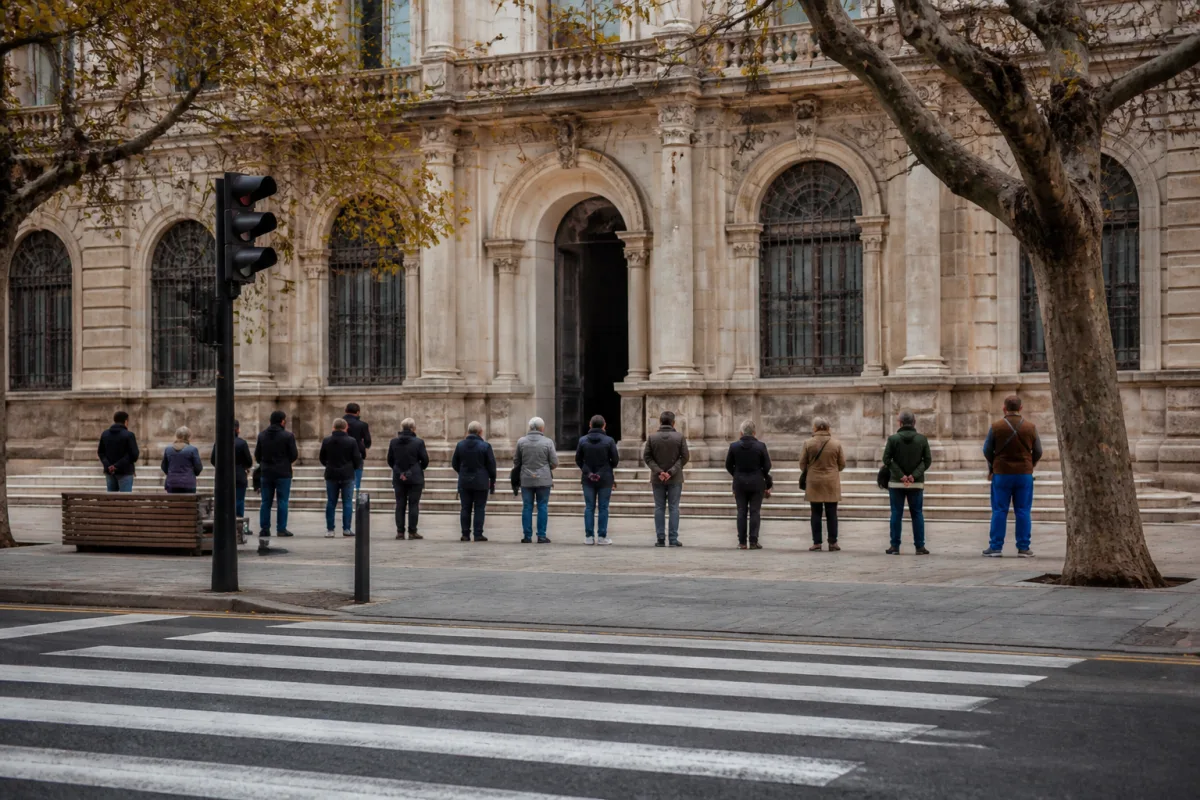
Boarding passes and train tickets should be kept: they will be needed after entering Spain to file the case, as they confirm the fact of entry into the country. If entry was made by car, a separate document is required — an entry declaration.
It is most convenient to arrive in Spain by plane or train, so that the documents are on hand and the case can be filed with the migration office on the day of arrival.
Comments
Reader experience is useful, but it is not advice: check the rules on the official site.
No account needed: click Sign in, type any name, and you are done.