
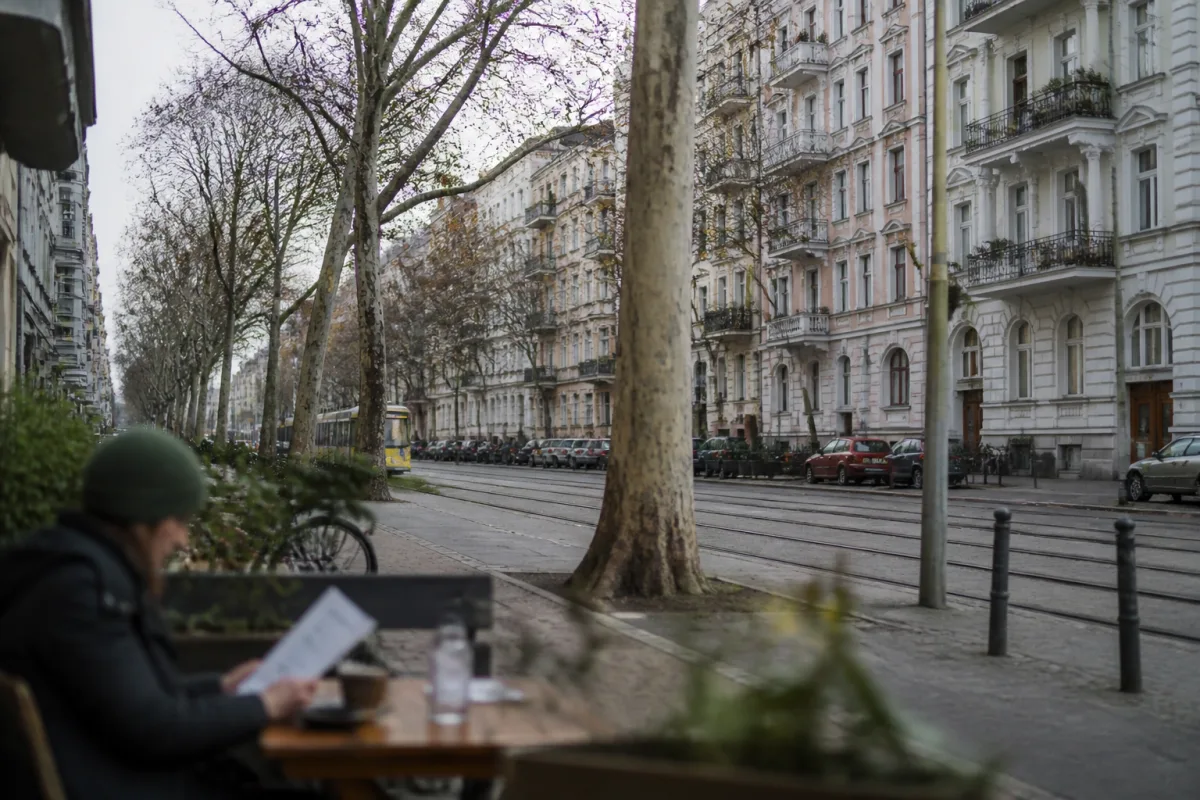

For the SRRV visa, documents from Germany can’t simply be apostilled — they must be legalized through the Philippine consulate, while Austria and Switzerland only need a standard apostille.
In short
- The SRRV grants indefinite stay and multiple entries — unlike visa-free status, which stays temporary even when extended up to 3 years
- A German company pension (Betriebsrente) isn’t taxed in the Philippines or in Germany itself, while the statutory state pension is taxed in Germany
- A German apostille isn’t accepted in the Philippines: documents must be obtained from the municipal office and legalized in person at the Philippine embassy in Germany
- For Germany, the police clearance also needs additional certification from the Bundesamt für Justiz in Bonn — in person, this takes one day instead of weeks by mail
- For Austria and Switzerland, an apostille is enough — personal submission at a Philippine mission isn’t required
What the SRRV Visa Is and Who Can Get It
The SRRV is a Philippine residency status that allows multiple entries and indefinite stay as long as the program’s conditions are met. From an immigration standpoint, it’s noticeably simpler to obtain than comparable retirement visas elsewhere, including Thailand’s retirement visa. The visa isn’t limited to the applicant alone — a spouse and children under 21 can be included as well.
It’s worth distinguishing the SRRV from ordinary visa-free stays: the Philippines doesn’t require continuous physical presence, and tourist status can be extended continuously for up to three years without ever applying for a visa. But that arrangement remains temporary and doesn’t offer the long-term security that comes with the SRRV as a full residency status.
Visa-free status in the Philippines can be extended for up to three years without ever getting a visa, but it stays temporary. The SRRV is a full residency status with indefinite stay and multiple-entry rights.
Deposit, Pension Taxes, and Processing Time in the Philippines
Besides a clean police clearance, the main requirement for the SRRV is posting a deposit (bond) in the Philippines. The amount depends on age, applicant status, and the SRRV option chosen, and ranges — across the various categories — from $10,000 to $50,000 USD; the exact figure for a given situation should be confirmed at the time of application. An applicant over 50 who receives a German company pension (Betriebsrente) can expect to qualify toward the lower end of that range — the exact amount still depends on the SRRV option selected and should be confirmed at application time.
A German company pension isn’t taxed in the Philippines — nor is it taxed in Germany itself. This follows from the double taxation treaty between the two countries: taxing rights over such payments belong to the Philippines, but the Philippines doesn’t exercise that right. As a result, the recipient keeps almost the entire pension amount. Germany’s statutory (state) pension doesn’t fall under this exemption and remains taxable in Germany.
Germany’s statutory (state) pension doesn’t fall under this exemption and remains taxable in Germany
Applying for the SRRV requires staying in the Philippines for the entire duration the application is being processed — presence is required throughout that period, not just at the moment of filing. Once that period ends, the visa is affixed to the passport, followed by the issuance of a Philippine identification card.
You need to physically stay in the Philippines for the entire time your SRRV application is being processed — leaving before the visa is issued isn’t an option.
Which Documents Are Needed from Germany, Austria, and Switzerland
The basic document set covered in this piece, for applicants from Germany, Austria, and Switzerland, is a copy of the passport and a police clearance certificate (certificate of good conduct); the full list of SRRV requirements isn’t limited to these two items and includes other documents as well. A birth certificate for the main applicant isn’t required for the SRRV.
- Married applicants additionally need a marriage certificate.
- If children of the applicant are also getting the visa, a separate birth certificate is required for each child.
Birth and marriage certificates are issued by the local civil registry office — the Einwohnermeldeamt, Bürgeramt, or an equivalent municipal office depending on the country. Request the international version of the document: it includes the data not just in German, but in English as well, which is what’s required for filing in the Philippines.

Basic documents for applicants from Germany, Austria, and Switzerland
Why a German Apostille Isn’t Accepted in the Philippines
For Austria and Switzerland, the legalization procedure is simple: documents just need an apostille and can then be submitted as-is — nothing more is required (c26). That approach doesn’t work for Germany: Philippine authorities don’t recognize a German apostille (c27). The reason is that Germany and the Philippines aren’t parties to the Hague apostille procedure with each other, which is why the Philippine side doesn’t accept German apostilles (c28).
Philippine authorities don’t recognize a German apostille
That’s why getting documents apostilled is essentially pointless for applicants from Germany: instead, they’re obtained directly from the local municipal office (Gemeinde) and taken straight to the Philippine embassy or consulate in Germany (c31). Documents must be submitted there in person — personal attendance is mandatory — and it’s there that the embassy or consulate confirms (legalizes) them (c29). For Austria and Switzerland, this kind of confirmation at a Philippine mission isn’t required — that obligation applies to Germany only (c30). Processing at the embassy typically takes a few days, and the document is sometimes issued the same day (c32); when visiting the municipal office in person, the certificate is usually issued on the spot (c33).
The same logic applies to the police clearance certificate. It must be obtained in the applicant’s country of origin — or, if they’ve lived abroad in recent years, in their current country of residence (c34). In Austria and Switzerland, the police clearance is handled the same way as the other documents: it’s obtained and apostilled, after which it’s ready for submission in the Philippines (c35). For Germany, an apostille doesn’t work for the police clearance either — for the same reason it doesn’t work for the other documents (c36).
Document Legalization for Germany: The Embassy Route
How an applicant from Germany moves documents through to SRRV submission, unlike applicants from Austria and Switzerland
- Obtain the document from the municipal office (Gemeinde)
- Bring it in person to the Philippine embassy or consulate in Germany
- Embassy confirms (legalizes) the documenta few days, sometimes the same day
Germany and the Philippines aren’t parties to a shared apostille procedure with each other, so the Philippine side doesn’t accept a German apostille — documents need to be legalized in person at the embassy instead.
Document legalization by country
| Step | Germany | Austria and Switzerland |
|---|---|---|
| Apostille | Not accepted by the Philippine side | Accepted, and that’s enough |
| Where to get the document | At the municipal office (Gemeinde) | At the municipal office, then apostilled |
| Confirmation at the Philippine embassy/consulate | Required, in person | Not required |
| Legalization time | A few days, sometimes the same day | Usually issued on the spot at the municipal office |
| Police clearance certificate | Needs additional Überbeglaubigung from the Bundesamt für Justiz | Apostilled like the other documents |
Fast-Tracking Police Clearance Certification Through the Federal Office of Justice in Bonn
A police clearance printed at the local municipal office (Gemeinde) isn’t enough on its own — the Philippine embassy won’t accept it directly. An additional Überbeglaubigung (super-legalization) is required — a special certification issued not by a notary or the municipal office, but by the Bundesamt für Justiz (Federal Office of Justice). This isn’t an apostille: the apostille procedure that works for Austria and Switzerland doesn’t apply to Germany, for the same reason it doesn’t apply to the other documents.
The standard route is to request the Überbeglaubigung by mail. But German authorities are currently heavily backlogged, and the mail route can stretch out over several weeks or even months of waiting.
The faster route looks like this:
- Get the certificate of good conduct (Führungszeugnis) from the local municipal office — in practice, this is issued quickly.
- Travel in person to Bonn, to the Bundesamt für Justiz at Adenauerallee 99–103.
- Visits are accepted Monday through Thursday; bring the certificate with you.
- When you arrive, state clearly that the certification is needed for the Philippines.
When handled in person, the Überbeglaubigung is issued almost immediately, and the finished certificate ready for the SRRV application ends up in hand the very next day — instead of the weeks or months of waiting that come with the mail-in route.
the finished certificate ready for the SRRV application ends up in hand the very next day — instead of the weeks or months of waiting that come with the mail-in route
Fast-Tracking Police Clearance Certification in Bonn
How to get the Überbeglaubigung in a single visit instead of weeks of waiting by mail
- Get the Führungszeugnis from the local municipal office
- Travel in person to the Bundesamt für Justiz, Adenauerallee 99–103, BonnMon–Thu
- State that the certification is needed for the Philippines
- Receive the finished certificatethe next day
Instead of mailing in an Überbeglaubigung request, which can take months, go in person to the Bundesamt für Justiz in Bonn Monday through Thursday and state right away that the certification is needed for the Philippines.
Frequently asked questions
What if the SRRV deposit turns out to be higher than the low end of the range in my case?
The exact amount depends on age, applicant status, and the SRRV option chosen — it can range from $10,000 to $50,000 USD. The minimum amount isn’t available to everyone: it’s tied to specific conditions, such as being over 50 and holding a particular type of pension, so it’s worth confirming your specific option before applying.
Can I apply for the SRRV if I don’t have a spouse or children?
Yes, the visa can be issued to a single applicant — including a spouse and children under 21 isn’t a requirement but an extra option within the program: they can get the visa alongside the main applicant, but their absence doesn’t complicate the application in any way.
What happens if I leave the Philippines before the SRRV application is fully processed?
Presence in the Philippines is required for the entire time the application is being processed, not just at the moment of filing, so leaving before the process is complete breaks that logic — the visa is affixed to the passport only after that period has been spent in the country.
Can someone else get and certify the police clearance on my behalf through a power of attorney?
The material doesn’t address this: it only describes the process in which the applicant personally travels to the Bundesamt für Justiz in Bonn and personally states that the certification is needed for the Philippines.
Comments
Reader experience is useful, but it is not advice: check the rules on the official site.
No account needed: click Sign in, type any name, and you are done.