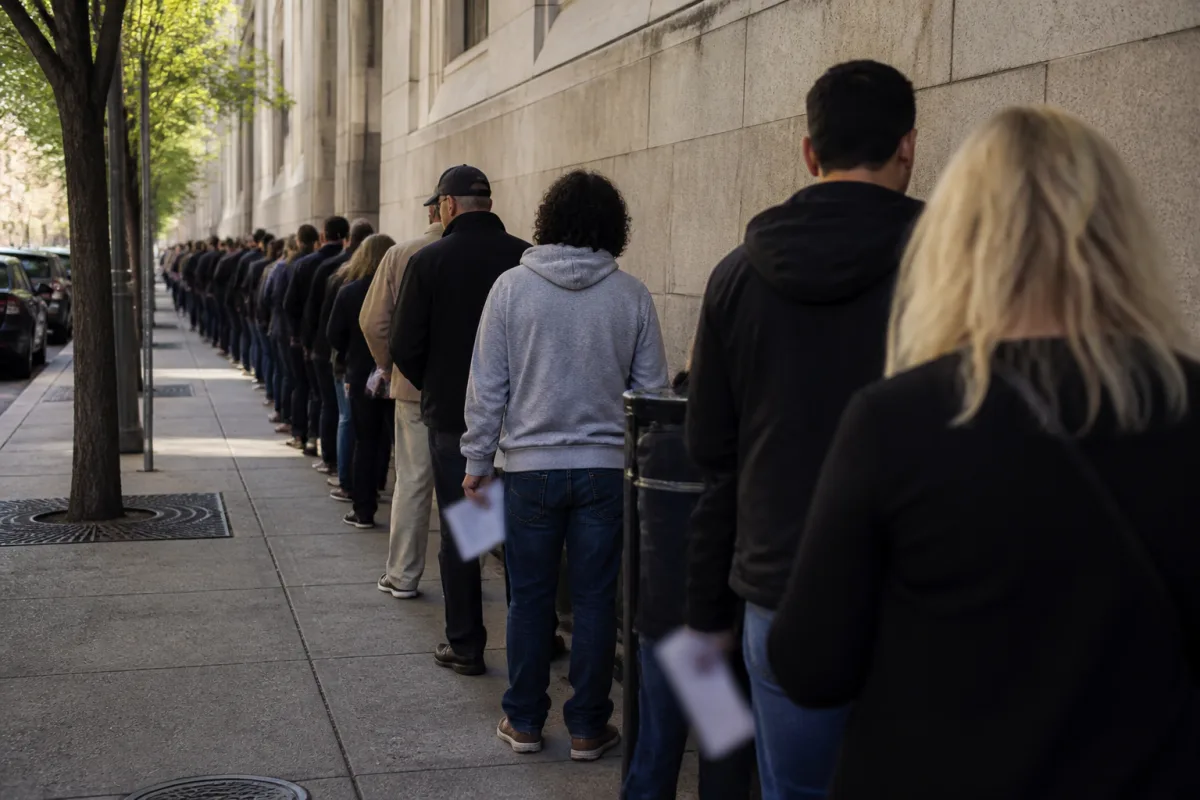
Visas
Public Charge Questions at Consular Interviews in 2026
What questions do officers ask about income, health, and finances during consular interviews when checking public charge for US immigration visas in 2026.
Spousal Ledger| Oct 21, 2026
 VisaProAdviser
Visas, migration and life abroad
Public charge rules for US green cards and visas: the DHS inadmissibility test, sponsor vetting, I-945 bonds and consular financial checks in DV cases.
19 articles tagged public charge
What questions do officers ask about income, health, and finances during consular interviews when checking public charge for US immigration visas in 2026.
How the new Public Charge rule affects status changes in the US, what questions officers ask at interviews, and how to prepare documents.

The new Public Charge rule has minimal impact on O-1, EB-1A, and EB-2 visas. Breaking down US immigration changes: the DV-2027 lottery, second interviews, and evaluation criteria.
EB-2 and EB-3 retrogressed, PERM approvals got faster, and as of October 23 USCIS changes how filing deadlines are calculated. Full October 2026 breakdown.

USCIS is processing far fewer I-751 cases in 2026 than in 2025, and delays have grown. Here are five red flags that trigger an RFE or denial.
USCIS officers now examine age, education, medical history, and sponsor income even when I-864 is approved. What evidence is needed at a family visa interview in 2026.
Public charge is a ground of inadmissibility in section 212(a)(4) of the Immigration and Nationality Act. A visa or green card can be refused to someone judged likely to become primarily dependent on government support. The officer weighs the totality of circumstances, including age, health, family status, assets and financial status, education and skills, along with any affidavit of support.
For adjustment of status inside the US, USCIS applies the test when it reviews Form I-485. Department of State consular officers apply it to immigrant visa applicants abroad. In most family-based cases the petitioner must file Form I-864, a legally enforceable affidavit of support that makes the sponsor financially responsible for the immigrant. Refugees, asylees and several other humanitarian categories are exempt from the test.
If an applicant is otherwise admissible but raises public charge concerns, USCIS may allow a public charge bond on Form I-945, posted by an obligor who undertakes that the immigrant will not rely on covered public benefits. This bond is a different instrument from the visa bond sometimes required of B-1/B-2 visitors, and the public charge test is not applied again at naturalization.