


The U.S. State Department has changed the rules for processing EB-1A petitions: it reduced standard response times for requests for evidence, allowed officers to deny applications outright without a preliminary request, and permitted officers to set deadlines at their discretion. Officers now give 30 days instead of the usual 90 days to respond even to routine requests.
How the Rules Changed in July–August 2026
In July–August 2026, U.S. Citizenship and Immigration Services (USCIS) published new rules that substantially changed the petition review process. Previously, according to internal circulars, officers were instructed to first send applicants a request for evidence before issuing a denial. This gave applicants the opportunity to gather missing documents and persuade the officer to reconsider.
Now this procedure has been eliminated. USCIS officers can directly deny petitions without a preliminary request for additional materials.
Shortened Response Times: 30 Days Instead of 90
The main change concerns the time given to respond to a request for evidence. Previously, the standard was approximately 90 days. Now officers can set this deadline at their discretion and may give as little as 30 days.
Previously, a 30-day deadline was used only for a Notice of Intention to Deny (NOID)—a more severe request in which the officer already expressed intent to deny the petition. A standard request for evidence (RFE) allowed 90 days. Now officers are applying the 30-day deadline to routine requests as well, creating additional pressure on applicants.
Given that most cases are still filed in paper format by mail, applicants must account for delivery time, delays, and unforeseen circumstances. This significantly complicates the process of preparing a response.
Expanded Powers of Officers
The new rules give officers substantially greater discretion in interpreting petition evaluation criteria. They can apply the public charge concept quite broadly, allowing them to deny applications based on subjective assessment.
Essentially, the service has reverted to stricter standards that were originally adopted by the Senate when the Immigration and Nationality Act was enacted, under which EB-1A cases are reviewed. The previous administration and the first Trump administration reviewed petitions more favorably.
How This Affects Filing Practice
In practice, officers appear to be overwhelmed with workload. In recent requests, there are instances where they ask for documents that were already included in the original submission. This suggests that officers do not have time to fully review the case before issuing a request.
Under these circumstances, applicants need to:
- strictly filter and objectively present their achievements;
- use proper argumentation, avoiding subjectivity and emotion;
- understand that the officer has limited time to review the case in any event.
The approval rate for EB-1A petitions has dropped despite the number of filed cases remaining at the same level.
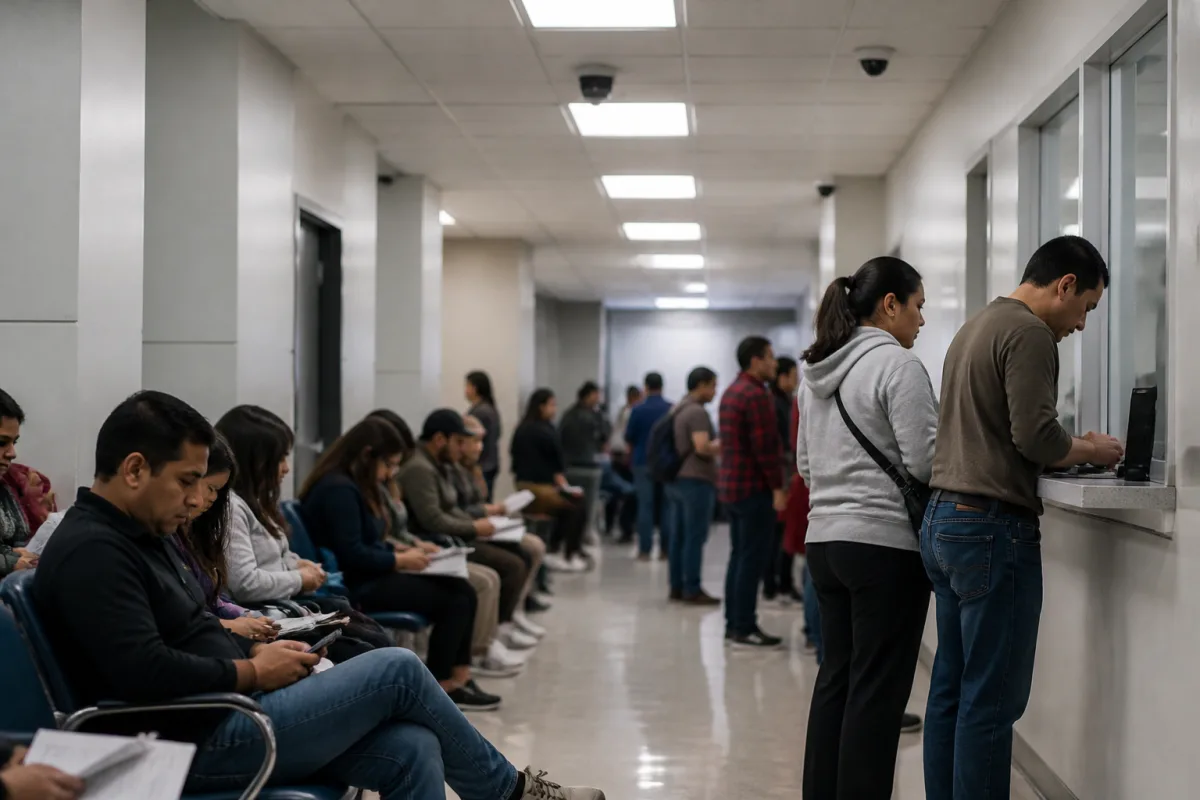
Context of the Changes
Although general immigration legislation cannot be changed overnight (Supreme and federal courts block such attempts), the administration uses other tools: individual proclamations and changes to internal rules. This does not affect the law itself, but practically “tightens the screws” in the review process.
The new rules apply at the federal level and affect all applicants filing EB-1A petitions with USCIS, regardless of their country of origin or place of filing.
What You Need to Know About Deadlines Now
The changes began taking effect in accordance with the rules announced in July 2026. If you received a request for evidence with a short response time (30 days instead of the expected 90), this is not an error—it is the new standard. You should be aware that deadlines may be shortened further at the officer’s discretion, and preparing a response requires a strategy that accounts for mail delays.



Comments
Reader experience is useful, but it is not advice: check the rules on the official site.
No account needed: click Sign in, type any name, and you are done.