


After Australian visa program requirements tightened, VetAssess officers began applying rules that don’t exist in official guidelines. In one case, an officer invented a criterion claiming the candidate couldn’t prove their qualifications. A letter of explanation and demand for review led to the reversal of the erroneous decision.
How VetAssess Started Applying New Rules
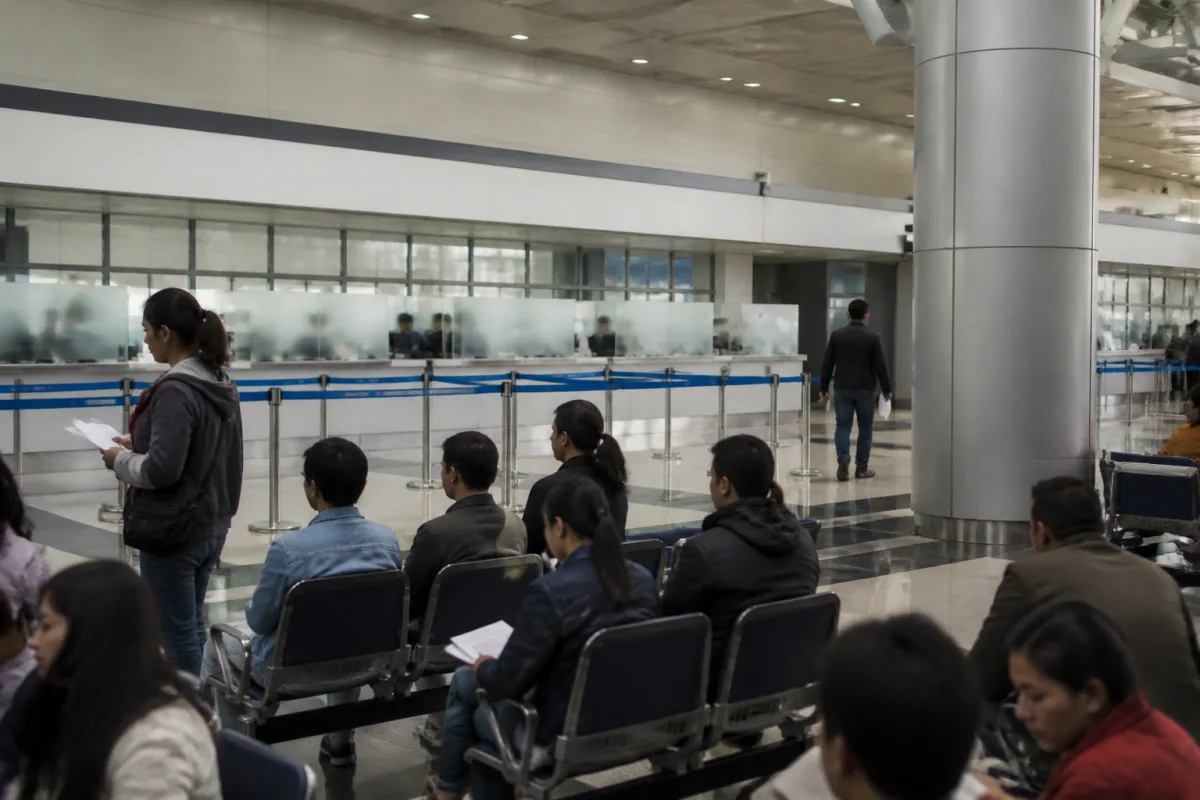
After the Australian government’s official announcement to tighten visa program requirements, document verification became much more rigorous. Candidates began being asked for additional work experience proof: payslips, letters from employers, and referee statements. This even applied to applications already submitted.
Organizations responsible for qualification verification applied existing rules with doubled strictness. VetAssess went further: officers started inventing criteria not listed in either their official website guidelines or consultative responses.
A Rule That Didn’t Exist
In one case, a candidate submitted an application with a well-prepared document package. A VetAssess officer decided that under an invented rule, the candidate could not prove the required qualification. There was no basis for this in the organization’s guidelines.
This approach seemed improper. A request for review was submitted along with a letter explaining why VetAssess was mistaken in this situation and had no right to create local rules.
Attempted Re-Interview and Rejection
In response, VetAssess requested a telephone interview with the candidate. Before this, officers had already conducted a 40-minute interview and had interviewed both employers.
It was decided to reject the request for another interview. The argument was straightforward: the interview had already taken place, and the essence of the complaint was not about the information obtained, but about the fact that officers were changing rules during the assessment process itself.
The Decision Was Overturned
Despite the overreach by VetAssess officers, the system still allows for a correct outcome. After refusing the re-interview and insisting on compliance with regulations, a positive decision came through.
Why Going It Alone Won’t Work
Under current conditions, attempting to gather documents independently without specialist assistance is risky. VetAssess uses its own artificial intelligence models designed to find reasons why a candidate supposedly fails to meet the organization’s requirements (now called unsuitable or unfavorable).
The AI looks for any “gaps” in documents to provide a negative assessment. The number of refusals is growing, even though documents are often prepared correctly.


Comments
Reader experience is useful, but it is not advice: check the rules on the official site.
No account needed: click Sign in, type any name, and you are done.