
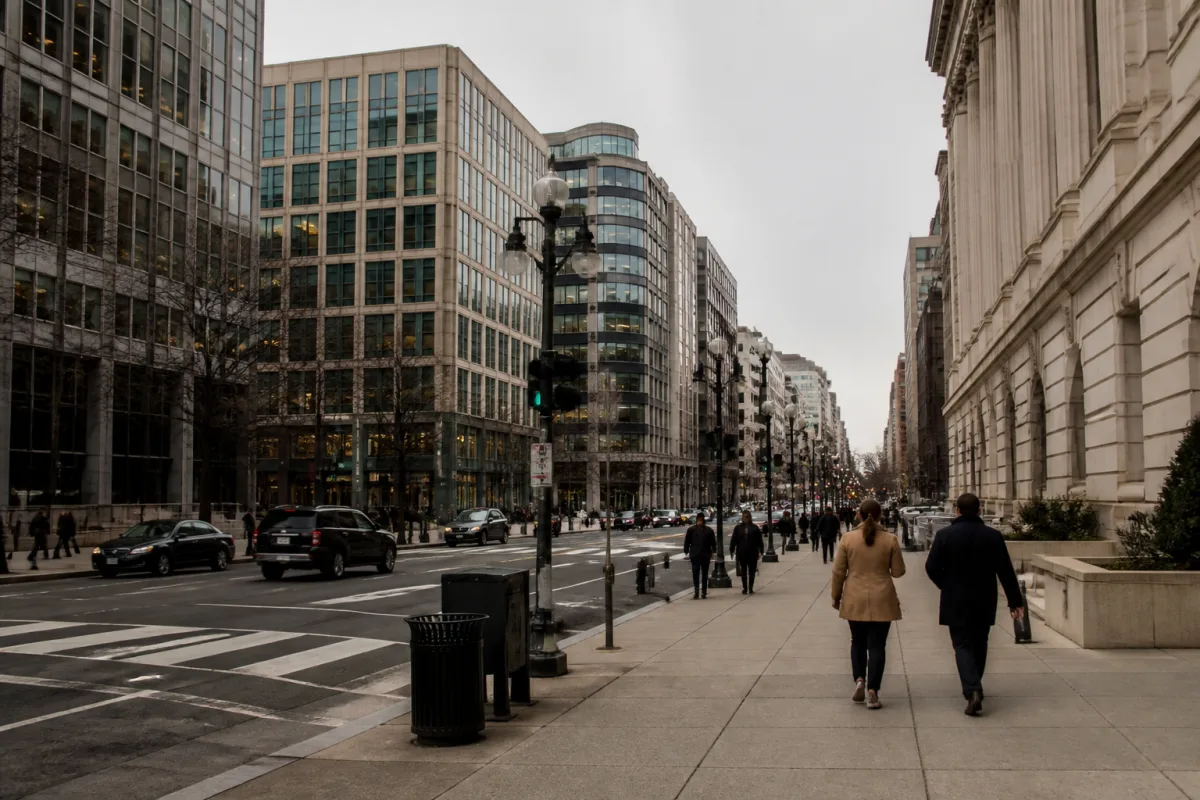

US immigration authorities have begun moving asylum hearings from regular courthouses to rented office spaces without notifying applicants. They arrive at the familiar court and receive an in-absentia denial for failing to appear, never learning that the hearing location had changed.
A system of tricks against asylum seekers
Starting in late 2025, US authorities steadily introduced new ways to deny asylum. At first, they simply moved hearing dates earlier but still sent written notices. Then they stopped sending notices altogether, forcing applicants to check the online system themselves. After that, they began organizing ‘mega master hearings’ — scheduling hundreds of people for the same time slot, creating artificial queues so that asylum seekers simply couldn’t make it to their hearing in time.
As of July 2026, judges issued 55,000 in-absentia asylum denials in a single month due to applicants’ failure to appear. This is a sign of extremely high efficiency for a system built to create obstacles.
The new scheme: a hearing in an office building instead of court
Recently, authorities moved to an even trickier tactic. Hearings are now relocated not just in date and time, but in address — from the official courthouse to an arbitrary rented office space. No notice of this change is sent.
One applicant arrived at the court in Annandale at the scheduled time, but no one was being called. After asking a clerk and checking the court system, he discovered his hearing was supposed to take place somewhere else entirely — across the river. He rushed there by car and found an office building at the given address. Staff there told him the hearing should have started an hour and a half earlier, and his case had already been decided. In effect, the applicant received an in-absentia denial simply because he didn’t know where he was supposed to show up.
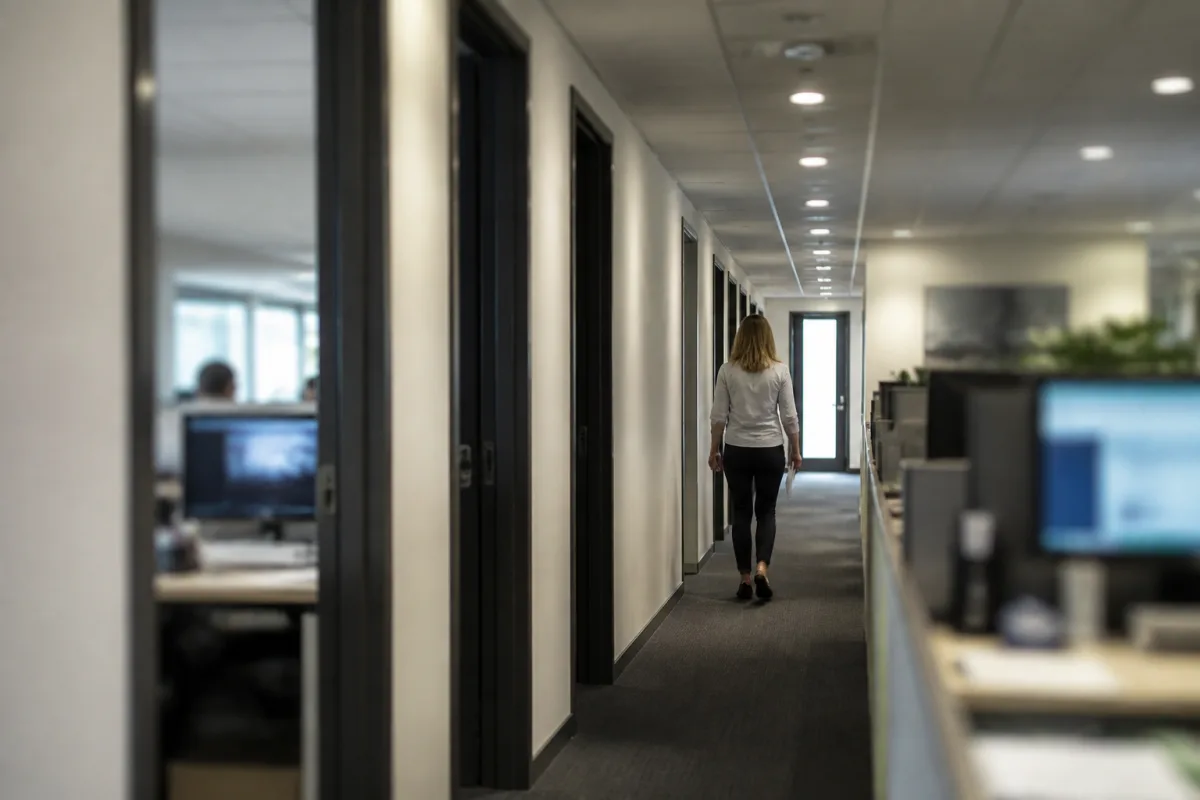
According to his interviewer, this office building has no judges or prosecutors. Instead, office staff help the applicant and their lawyer connect via video link, and the hearing proceeds remotely.
Where the law ends and the gray zone begins
At first glance, this practice looks clearly illegal. However, US immigration law does give courts the authority to set not only the date but also the location of a hearing — and the law does not specify what kind of premises are permissible.
The actual legal violation here is that the court is required to send the applicant notice of the hearing’s date and location. The applicant in this case never received such notice. However, this violation doesn’t guarantee the case will be reopened. Case law shows that judges are reluctant to reopen cases based on insufficient notice, so the applicant may well be left with a final denial and a deportation order.
The practice is spreading nationwide
So far, this scheme is being used in Maryland and Virginia, but that may change. When journalists asked the Office of Immigration Courts for an official comment, the agency replied that it is hiring new judges and opening new hearing locations. It called the practice normal and suggested it could spread to immigration courts across the entire United States.
How to protect yourself: six rules
Asylum applicants should check their case status in the online system several times a week, even if a hearing is scheduled years in advance. Cases have started being moved up urgently — a person might learn their hearing is in two weeks instead of the expected years away.
When checking, look not only at the date and time but also, crucially, at the court’s address. If the hearing is set at a regular courthouse, it’s wise to arrive two to three hours early — mega master hearings create queues of hundreds of people. If the address looks suspicious (an office building rather than a court), check it on a map in advance: it might turn out to be in a neighboring city several hours away.
Be sure to inform your lawyer if the hearing location differs from the usual court. A lawyer might simply show up at the regular courthouse without checking the new address.
Finally, prepare your case thoroughly. Even if an applicant arrives at the right place at the right time without being late, a weak case won’t save them from denial. A strong, well-prepared case is the foundation of protection against all these immigration authority tactics.
Context: why this is happening
It’s unclear why US authorities are resorting to such complicated and controversial methods. Perhaps they’ve exhausted the legal tools available to influence the asylum situation. Perhaps they believe it’s necessary to supplement legal tools with additional barriers for applicants. The fact remains: the number of in-absentia denials is rising, and the system keeps evolving to make the process harder for applicants.

Comments
Reader experience is useful, but it is not advice: check the rules on the official site.
No account needed: click Sign in, type any name, and you are done.