
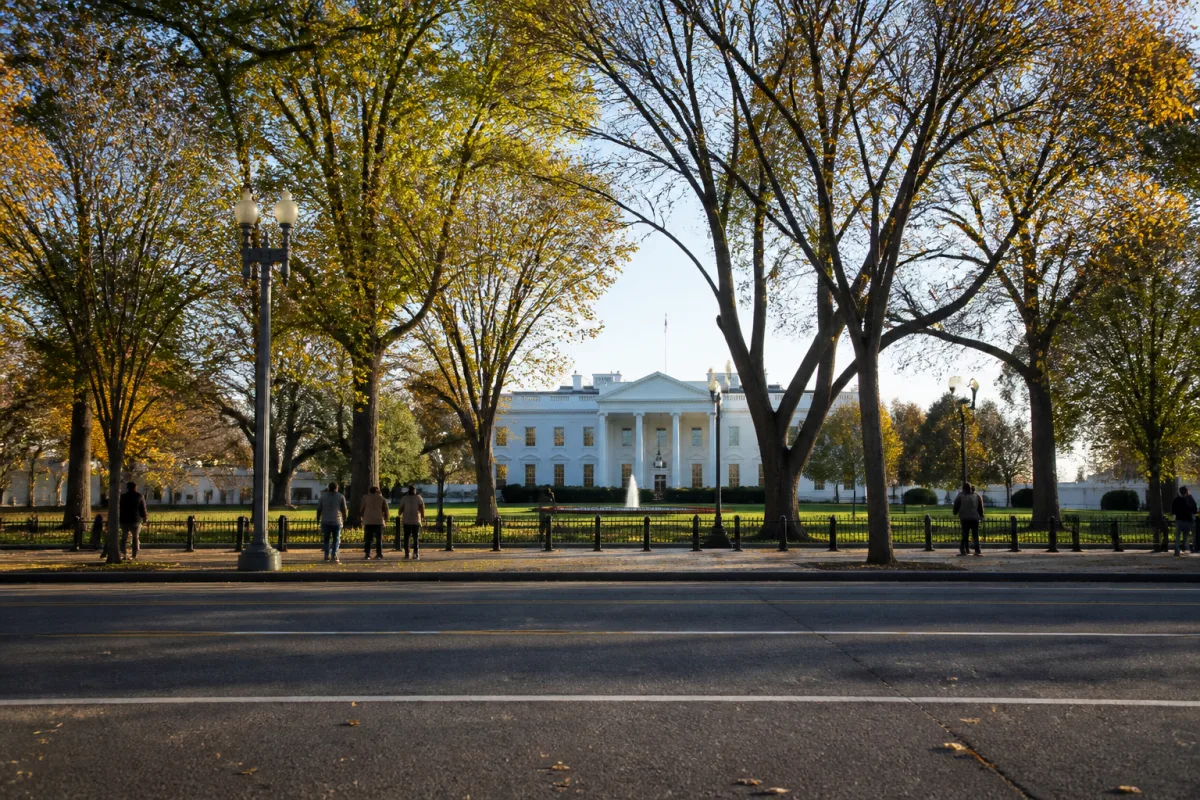

The PERM program reform has cleared White House review and is awaiting publication of the proposed rule text, but current PERM procedures remain unchanged for now.
In short
- The PERM reform has cleared White House (OMB) review, but the proposed rule text hasn’t been published yet — nothing has changed for applicants so far.
- Once the proposal is published in the Federal Register, a 30–60 day comment period follows, and only then does the rule take effect.
- Automatic DMV voter registration can lead to an NTA and citizenship problems for nonimmigrants, even when a clerk made the error.
- The Texas Department of Agriculture is cutting off grants to any employer with even one H-1B employee on staff.
- No bulk H-1B slots have been released since April — nonessential travel is worth postponing even with an interview scheduled.
PERM Reform: What Cleared White House Review
PERM is the process most nonimmigrant visa holders go through on the way to a green card, most commonly H-1B holders. The current administration decided to overhaul the program because of employer abuses: PERM applications for Cognizant and eight other companies are already suspended for that reason, all going through similar reviews.
The rule has been under White House review for some time, and this week that process concluded: the review closed with a finding that the proposed changes are consistent with administration policy. This is the first major overhaul of the PERM program since 2004, when the current recruitment requirements were established, including the requirement to publish a job posting in a Sunday newspaper edition.
This is the first major overhaul of the PERM program since 2004, when the current recruitment requirements were established, including the requirement to publish a job posting in a Sunday newspaper edition.
The update was originally expected by July 2026, but the process is running roughly four months behind schedule. Such delays in rulemaking are routine. At this point the rule has cleared OMB (OIRA) review and is at the rulemaking stage — meaning the concept has been approved, but nothing has changed yet for applicants.
The PERM rule has cleared OMB review and is awaiting publication of the proposed text, but nothing has changed yet — current recruitment requirements still apply.
What Changes in Recruitment and Worker Protections
The text of the proposed rule itself hasn’t been published yet — only the general direction of the changes, as laid out in the regulatory agenda, is known. Four areas stand out.
- Recruitment moves from paper to online. The current process largely dates back to 2004: employers must place a job ad in a Sunday newspaper and follow several other paper-based steps inherited from earlier rules. The new rule is meant to bring the process in line with how hiring actually happens today — through online channels.
- Stronger worker protections around layoffs. Right now employers must disclose whether they had layoffs in the past 6 months, but that’s where the requirement stops — there are no stronger safeguards for American workers. The reform is expected to add exactly that kind of protection.
- New anti-discrimination provisions. Tighter checks on recruitment and hiring integrity are planned, including additional nondiscrimination requirements.
- More mandatory recordkeeping. Employers will have to retain more records for compliance and future audits.
All of these points are not provisions of the final rule but directions stated in its description during the review stage. Specific language, thresholds, and procedures will only appear once the proposed rule text is published.
When the New PERM Rule Takes Effect
The rule is currently at the rulemaking stage: it has already cleared OMB (Office of Management and Budget) review at the White House, but the proposed rule text has not yet been published.
- Publication of the proposed rule in the Federal Register. This is the next step — that’s when the actual language becomes known, not just the general direction of the changes.
- Public comment period. This typically runs 30–60 days after the proposed rule is published.
- The rule takes effect. This happens once the comment period closes.
Until the text is published in the Federal Register, nothing changes in the PERM process — current rules remain in effect as-is. There’s no confirmed date for when the proposal will appear: at the time the reform was being developed, the text was expected to come out soon.
The New PERM Rule’s Path to Taking Effect
Three stages left to go after OMB approval.
- Publication of the proposed rule in the Federal Registeractual language becomes known
- Public comment period30–60 daysafter the proposed rule is published
- The rule takes effectonce the comment period closes
The Risk of Ending Up on Voter Rolls as a Nonimmigrant
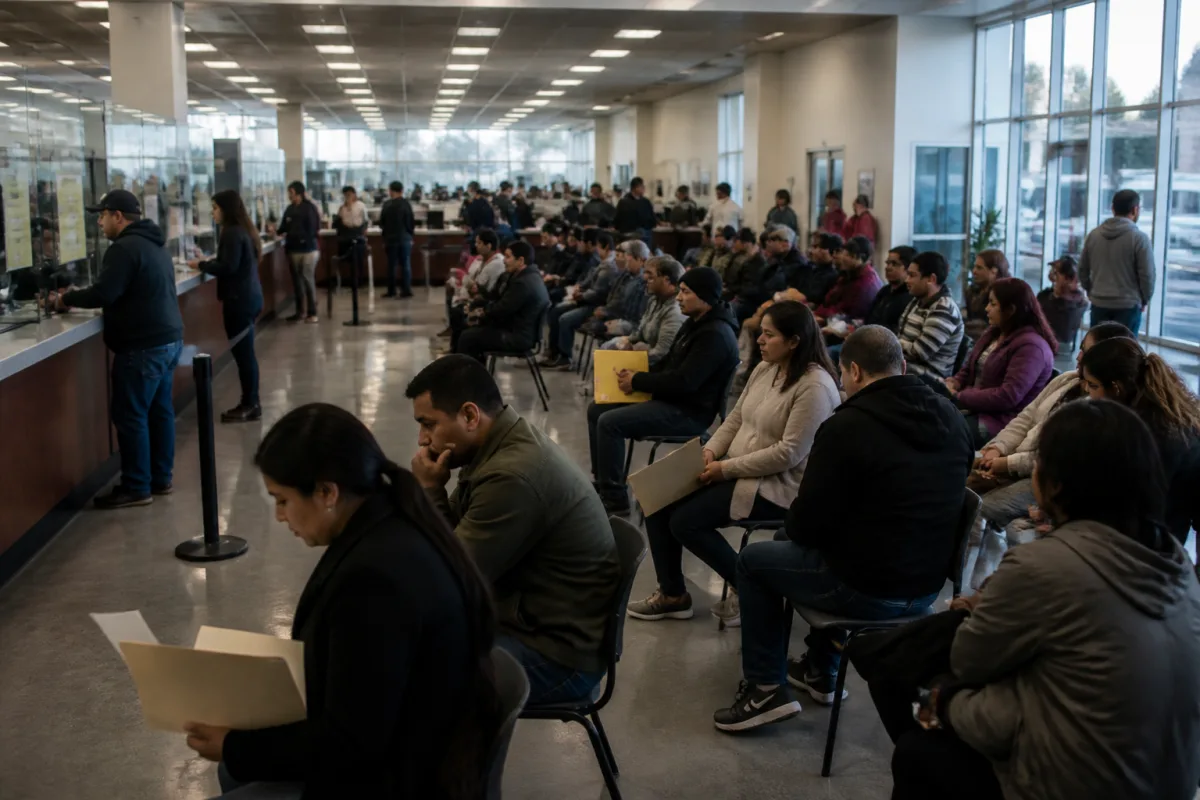
Many states bundle voter registration into the driver’s license application, and because of a stray checkbox or a clerical error by staff, a person can end up on the voter rolls without their knowledge. For nonimmigrant visa holders — H-1B, H-4, F-1 — this kind of automatic registration happens for the same reasons: the clerk makes the mistake, not the applicant.
Formally, a nonimmigrant visa holder has no right to vote in U.S. elections. But a voter registration record falls under INA 237, the section on unlawful registration and false claims to citizenship, and having such a record doesn’t help a naturalization application even when the error wasn’t the applicant’s fault.
The new approach shifts the burden onto the applicant: it’s now on them to confirm they never registered or voted and to document that. If a check turns up a registration record, a Notice to Appear (NTA) can follow — regardless of whether the error was clerical. Violations tied to voting carry strict penalties that can complicate a citizenship application.
The new approach shifts the burden onto the applicant: it’s now on them to confirm they never registered or voted and to document that.
Automatic voter registration through the DMV isn’t the applicant’s fault, but it falls under INA 237 and can lead to an NTA and problems when filing for citizenship.
What to Do If You Find Yourself on a Voter Roll by Mistake
- Check your registration status. You can search for yourself on a state voter roll through Google or on USA.gov.
- Notify the election office if it’s an error. If your name is on the list by mistake, notify the local election office right away and request that the record be removed.
- Keep proof of the cancellation. Hold on to the document confirming removal from the list — it may be needed when filing for citizenship.
- Consult an attorney in unclear cases. If registration or voting happened by mistake and the situation is ambiguous, it’s wiser to consult an attorney rather than handle it alone.
Skipping these steps carries the same risk: an erroneous record that isn’t cancelled in time can cause problems specifically at the naturalization stage.
What to Do If You Find Yourself on a Voter Roll by Mistake
Four steps to keep an erroneous registration from derailing a citizenship application.
- Check your registration statusvia Google or USA.gov
- Notify the election officerequest the record be cancelled
- Keep proof of the cancellationneeded for the citizenship application
- Consult an attorneyin unclear cases
You can find yourself on a voter roll through Google or USA.gov — do this before filing for citizenship, not after a denial.
What to Do If You Find Yourself on a Voter Roll by Mistake
Texas Restricts Grants for H-1B Employers
The Texas Department of Agriculture announced it will stop issuing grants to employers that have H-1B employees on staff. If a company hires even one H-1B holder, it loses access to every type of grant the department offers. This also applies to employers already receiving such grants: hiring an H-1B worker revokes the funding eligibility.
If a company hires even one H-1B holder, it loses access to every type of grant the department offers.
This isn’t Texas’s first move against the H-1B program. In January, Governor Abbott suspended review of new H-1B petitions at state agencies — a freeze set to last until May 2027. In August, he proposed banning the hiring of H-1B specialists in public schools. The grant denial is a continuation of that pattern.
According to the source material, the state’s heightened scrutiny of H-1B is tied to cases of program abuse documented specifically in Texas. Employers who use H-1B and also seek state grants should check with an attorney on how the new restriction applies to their situation.
Enforcement Statistics and the Absence of New H-1B Slots
USCIS published a press release citing roughly 2.2 million enforcement actions since the current administration took office, without a breakdown by category. The figure covers more than deportations alone — it spans a broad range of actions: termination of TPS status, denials of nonimmigrant status extensions or changes, issuance of Notices to Appear (NTA) initiating removal proceedings, and the end of automatic EAD extensions. Since the release came out ahead of the midterm elections, some observers read it as a political statement about the administration’s results rather than a detailed report.
Among the specific measures in the same period, the automatic 540-day EAD extension was ended — it had previously allowed people to keep working legally while a new card application was pending. Denials of work permit renewals also became more frequent. If an NTA initiating removal proceedings arrives as a result, the first step should be contacting an attorney — there’s no self-help route here.
The H-1B slot situation remains tight: no bulk slots were released this week, and the last such release was around April. Occasionally so-called “ghost” slots appear — they open and close almost immediately. As a result, wait times for visa interviews are unpredictable, and those already in the U.S. should weigh the risks of nonessential travel — even with an interview appointment scheduled, since timelines and rules can shift quickly. No changes to immigration enforcement procedures occurred this week.
No bulk H-1B slots have appeared since April, only occasional “ghost” slots. Nonessential travel is worth postponing even with an interview scheduled.
Key November Dates to Watch
| Date | What’s happening |
|---|---|
| November 3 | U.S. general election — a good reason to check your voter registration status if you’re not a citizen (the risk of ending up on the rolls by mistake is covered above) |
| November 9 | Public comment period closes on the upcoming OPT regulation |
| November 13 | Comment period closes on two topics at once: the proposal to eliminate part of the extensions, and the deference rule |
| Mid-November | December visa bulletin data expected — this is seasonal and timing can shift |
Beyond these dates, several rulemaking threads remain open with no updates this week. The proposed $70,000 OPT fee is still at the proposal stage, also going through a public comment period. The duration of status rule and a separate CPT lawsuit remain in the courts without a new ruling. The PERM suspension affecting roughly eight companies also continues, with no final decision yet.
If any of these rules affects you personally, it’s worth submitting a substantive comment during the comment period — such comments are taken into account when the final version of the rule is drafted.
Frequently asked questions
Can a comment be submitted on the upcoming PERM rule right now
No: the public comment period only begins after the proposed rule is published in the Federal Register, and that text hasn’t been published yet. Until then there’s nothing to comment on, since no specific language exists yet.
Do current H-1B holders need to do anything now because of the PERM reform
Nothing needs to be done yet: the rule has only cleared OMB review and is at the rulemaking stage, and nothing has changed for applicants. Current recruitment requirements remain in effect as-is until the proposal is published and the comment period concludes.
Does the Texas H-1B grant restriction also apply to employers outside agriculture
According to the source material, the measure applies only to grants issued by the Texas Department of Agriculture: a company loses access to those specific grants if it hires even one H-1B holder. Grants from other state agencies aren’t mentioned, so the restriction shouldn’t be assumed to extend to them.
How can you tell if an H-1B employee was added to a voter roll by mistake rather than intentionally
The mere presence of a voter registration record doesn’t by itself indicate intent — automatic registration often happens because of a checkbox on a driver’s license application or a clerical error by staff, not because of anything the applicant did. But when it’s checked, the burden of proving that falls on the applicant, so it’s worth checking your status ahead of time and documenting the cancellation if needed.
What happens if the comment periods on OPT or deference close without a final decision
The source material doesn’t address this — it only names the closing dates for the comment periods: November 9 for OPT and November 13 for deference and the proposed elimination of part of the extensions, with no final decisions on these topics as of the week being tracked. Until a decision is made, current rules remain in effect.


Comments
Reader experience is useful, but it is not advice: check the rules on the official site.
No account needed: click Sign in, type any name, and you are done.