


Naturalization statistics in Ireland from 2016 to 2025 show that Indians received the most citizenship certificates — 18,250. Poles ranked second with 11,000 citizens, and British citizens third with 9,500. But the actual number of immigrants with Irish passports is considerably higher due to children born after their parents’ naturalization.
India leads by a wide margin
Indians made up around 13% of all naturalized citizens of Ireland. From 2016 to 2025, 18,250 citizenship certificates were issued to Indians. The peak year was 2025, when 6,500 Indians were naturalized.
The population could grow several times over due to children of naturalized Indians. Large families are common in Indian culture — often five to ten children. By estimates, the actual number of Indians with Irish citizenship could be close to 100,000 including their descendants.
The second most successful year was 2020, but it turned out to be one of the most challenging — solely due to restrictions related to the COVID-19 pandemic.
Europeans and British citizens: second and third place
Poles took second place with 11,000 naturalized citizens over the entire period. The most successful year for them was 2025, when 1,467 Poles obtained Irish citizenship.
British citizens complete the top three with 9,500 citizenships. Romania ranks fourth with 9,200 naturalized citizens, most of whom received passports in 2025 — nearly 1,900 people.
Top-10: from Nigeria to China
The full top ten looks like this:
- India — 18,250
- Poland — 11,000
- United Kingdom — 9,500
- Romania — 9,200
- Nigeria — 7,300 (peak year 2024 with 1,235 citizenships)
- Brazil — 7,000
- Pakistan — 5,700
- Philippines — 5,500
- China — 4,600
- USA — 3,097
Citizens from developed countries naturalize much less frequently. Only 10 Swiss nationals obtained citizenship over the entire period, the same as Nicaraguans and Uruguayans.
Ukraine and Russia among minorities
The Russian Federation received 1,870 citizenship certificates, and Ukraine received 1,756. Both countries lag far behind the rating leaders.
Both countries showed peak results in the same year: 2025. 366 Ukrainians obtained Irish citizenship in 2025, nearly as many Russians.
In the future, the number of naturalized citizens from former Soviet countries may decline: Ireland plans to increase requirements for obtaining citizenship by naturalization.
What explains this distribution
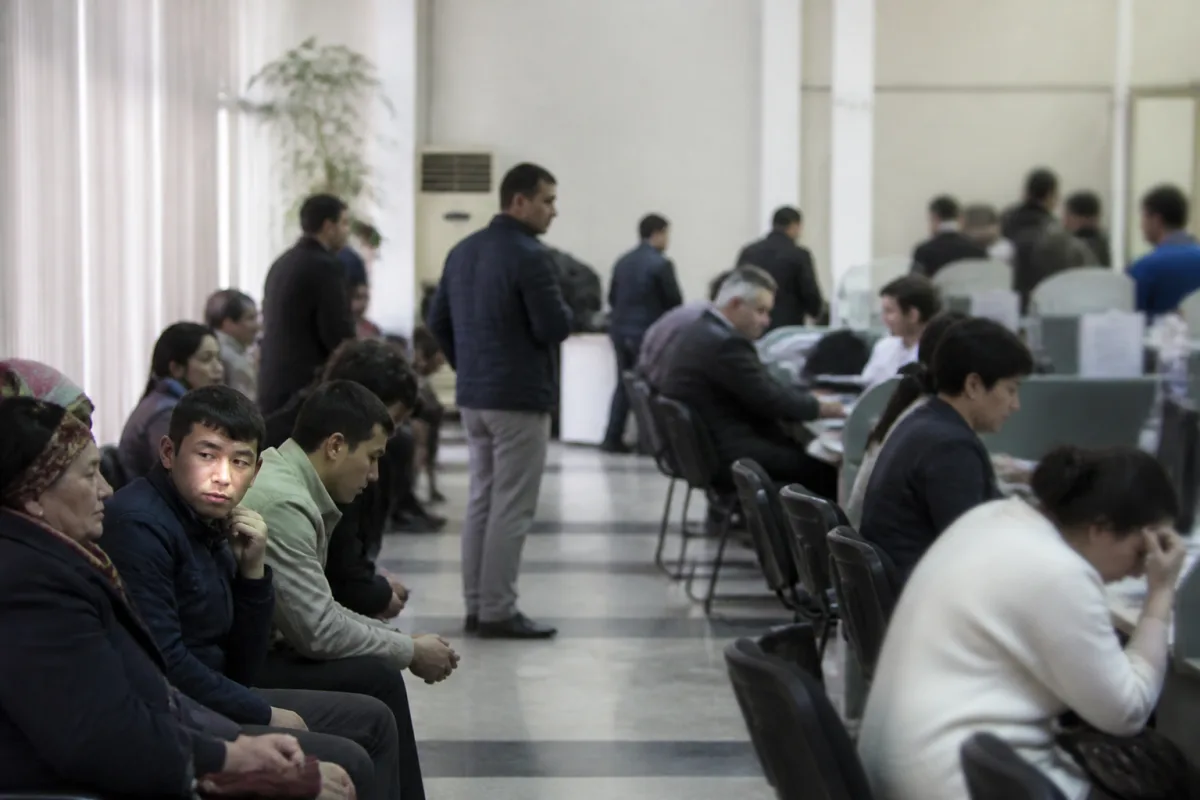
Naturalization requires a minimum of five years of residence in Ireland. Immigrants from India, Romania, Nigeria, Pakistan, and Brazil are more actively relocating to permanent residence and meet the naturalization criteria.
Developed countries are underrepresented: citizens of Switzerland, Belgium, and other wealthy nations less often choose to relocate to Ireland and naturalize. In percentage terms relative to their countries’ total populations, these are negligible shares.
Naturalization activity correlates with diaspora size: where there are more immigrants, there are also more people who have lived long enough to obtain citizenship.
Actual figures are one-third higher and more
Official statistics account only for the naturalized citizens themselves — 134,570 people from 2016 to 2025. But they do not include children born after their parents’ naturalization: they receive a passport automatically by birth.
When calculated for families with children, the actual number of Irish citizenship holders could be three times, or even five times higher than stated in the statistics. This is especially noticeable for countries where having many children is culturally common.

Comments
Reader experience is useful, but it is not advice: check the rules on the official site.
No account needed: click Sign in, type any name, and you are done.